Military noise safety rests on one action level and two very different noise problems. Like OSHA and the EU, the U.S. Department of Defense sets its Hearing Conservation Program action level at 85 dB(A) as an 8-hour time-weighted average (DoDI 6055.12) — the point where hearing protection, noise monitoring, and annual audiograms become mandatory for personnel on ranges, flight lines, motor pools, and in maintenance depots. But the battlefield adds a problem the factory never has: impulse noise from weapons and blasts peaking between roughly 140 and 190 dB, governed separately by MIL-STD-1474E. Steady-state limits and impulse limits call for different protection, which is why soldiers increasingly wear level-dependent (electronic) protectors instead of a single high-NRR plug. This guide explains the numbers behind military noise standards, how they differ from civilian rules, and where certified commercial hearing protection fits — written from the supplier side, by a manufacturer of CE EN 352 certified hearing protection.
The Standards That Govern Military Noise
Three documents do most of the work, and they answer different questions. DoDI 6055.12, the DoD Hearing Conservation Program instruction, governs people: it fixes the 85 dB(A) action level, an 8-hour TWA basis, and — importantly — a 3 dB exchange rate, the same stricter accounting the EU uses rather than OSHA's 5 dB. MIL-STD-1474E, the design-criteria standard for noise limits, governs equipment: it caps how much noise a vehicle, generator, weapon, or aircraft system may produce at the operator and crew positions, covering both steady-state levels and impulse peaks. And for impulse specifically, NATO forces reference STANAG 4380 and the U.S. Army's AHAAH model (Auditory Hazard Assessment Algorithm for Humans), which estimate hazard from a blast waveform rather than a simple peak reading.
The practical takeaway for anyone procuring protection: the 85 dB(A) people-facing rule looks almost identical to civilian occupational limits, so the same measurement discipline applies. A base still runs a workplace noise survey to map zones, and the same country-by-country exposure logic that governs a factory governs a motor pool. What is genuinely different is everything above the action level.
80, 85, 87 — What the Decibel Numbers Mean in Uniform
Buyers searching for an "85 dB military" or "87 dB exposure limit" figure are usually running into a cross-border mix-up worth clearing up. Inside U.S. doctrine there is one governing number for steady-state exposure: 85 dB(A), the action level at which the hearing conservation program engages. There is no separate "87 dB military limit" in DoD instructions. The 87 dB(A) figure people find is the EU exposure limit value — the absolute daily ceiling measured with hearing protection factored in — which appears on NATO bases in Europe because host-nation labor law and EU Directive 2003/10/EC apply there alongside military rules. So a European allied installation may legitimately reference both an 85 dB(A) action value and an 87 dB(A) limit; a U.S. installation works from 85.
The 80 dB(A) number is the EU lower action value (make protection available and train), again a civilian threshold that surfaces on allied bases. None of these are combat figures. They are workplace numbers for the enormous non-combat footprint of any military — and for selecting protection against them, the ordinary SNR and NRR ratings apply exactly as they do in industry. Chasing the highest rating on the shelf is the same mistake in uniform as out of it: overprotection isolates the wearer and gets pulled off.
Why the Battlefield Is a Different Noise Problem
Everything above changes the moment weapons fire. Occupational limits describe steady, continuous sound averaged over a shift. Weapons produce impulse noise — a pressure spike lasting milliseconds but reaching extreme peaks. A rifle report sits around 155 to 165 dB at the shooter's ear; artillery, breaching charges, and heavy weapons exceed 180 dB. At those levels the injury mechanism is not cumulative dose over hours but acute mechanical trauma from a single event: one unprotected round can cause a permanent threshold shift.
That is why a factory-style calculation — take the average level, subtract the rating — does not describe battlefield or range hazard on its own. Impulse protection is rated and modeled differently, and the same protector can behave differently against a steady 95 dB(A) line and a 165 dB impulse. For the mid-level noise most base personnel actually face, though, the picture is closer to industry than to the trigger line, which is exactly where certified commercial protection earns its place.
Why Soldiers Increasingly Wear Level-Dependent Protection
The core problem in "defense noise regulations for soldier safety" is not attenuation — it is the situational-awareness paradox. A soldier must hear a spoken command, a snapping twig, or an approaching vehicle, while still being shielded from gunfire. A conventional high-NRR passive plug solves the second half and fails the first, so it gets removed at exactly the wrong moment. That is a documented cause of hearing injury: the protection was issued, but worn-time collapsed because it cut the wearer off.
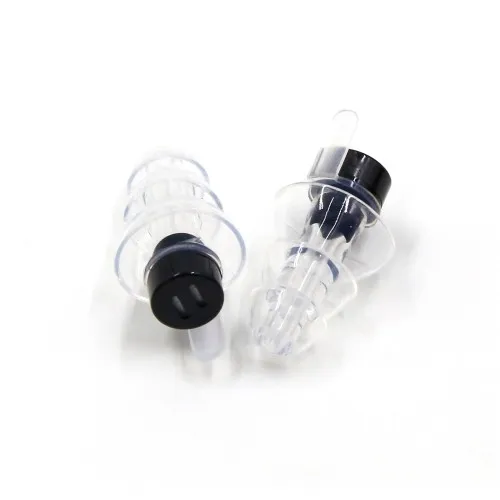
The answer is level-dependent (electronic) hearing protection — in military parlance TCAPS, Tactical Communication and Protective Systems. These devices amplify quiet ambient sound so the wearer hears normally or better, then compress or instantly clip loud impulses to a safe level. The trade-off between that approach and simple passive muffs is the same one civilian buyers weigh in our electronic vs passive ear muffs guide; the military stakes just make the situational-awareness side non-negotiable. For sustained ranges and moderate-noise tasks where awareness still matters, filtered acoustic-mesh plugs give a lighter, cheaper version of the same benefit.
Where Certified Commercial Protection Fits — and How to Source It
It is worth being precise about the boundary. Frontline combat systems — integrated TCAPS headsets tied to radios, MIL-STD-qualified for blast and environmental extremes — are specified by defense primes against MIL-STD-1474E and procured through dedicated programs. That is not commercial PPE, and no honest supplier should claim otherwise. But that combat tier is a small slice of a military's total noise exposure. The far larger footprint — firing ranges, armories, motor pools and vehicle depots, flight-line ground crews, engineering and construction units, and every training environment — runs on the same certified passive and electronic hearing protection any industrial buyer uses, selected against the 85 dB(A) rule and impulse hazard on the range.
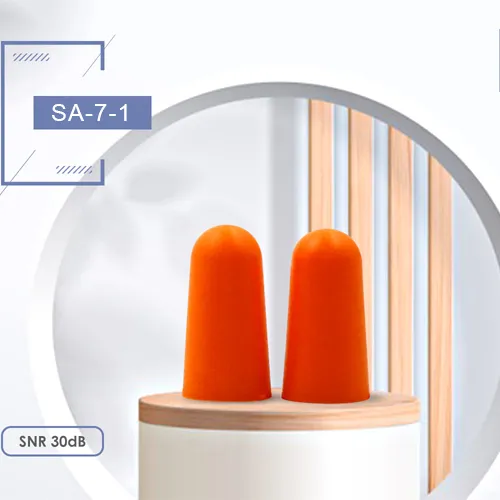
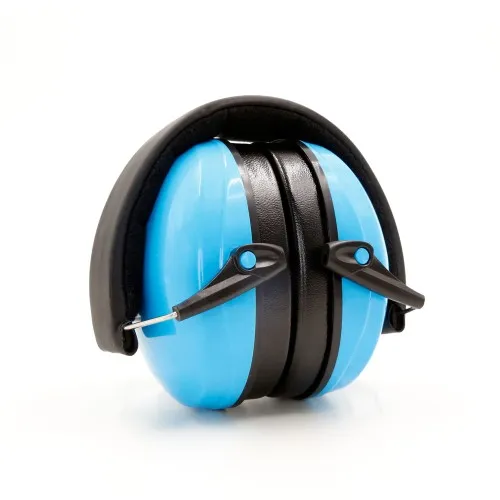
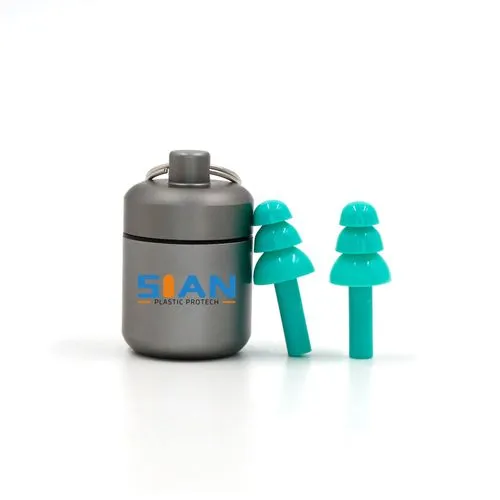
For that footprint, EASTRAGON manufactures PU foam, silicone, and filtered acoustic-mesh ear plugs plus ear muffs on our own lines, certified to CE EN 352 with ISO 9001:2015, REACH compliance, and BSCI social audit. Defense-adjacent procurement typically pairs high-NRR foam or dual protection for the firing line with filtered or electronic protectors where hearing commands and range communication matters. This standards page is the compliance companion to our military, defense and law-enforcement product guide, which covers the specific product mix by role. For the underlying occupational figures, OSHA publishes the civilian baseline these military limits parallel on its occupational noise exposure page.
Frequently Asked Questions
What is the noise exposure limit for military personnel?
Under the U.S. Department of Defense Hearing Conservation Program (DoDI 6055.12), the action level is 85 dB(A) as an 8-hour time-weighted average, using a 3 dB exchange rate. At or above 85 dB(A), hearing protection, noise monitoring, and annual audiograms become mandatory. NATO installations in Europe may additionally apply the EU's 80 dB(A) lower action value and 87 dB(A) exposure limit value under host-nation law. These steady-state limits are separate from impulse-noise hazard from weapons.
What is MIL-STD-1474?
MIL-STD-1474 (current revision E) is the U.S. military's design-criteria standard for noise limits. It governs equipment rather than people, capping how much steady-state and impulse noise a vehicle, generator, weapon, or aircraft system may expose its operators and crew to. Defense contractors design and qualify military materiel against it, which is why frontline tactical hearing protection is specified separately from commercial PPE.
How is battlefield noise different from factory noise?
Factory noise is steady-state: a continuous level averaged over a shift, where injury comes from cumulative dose. Battlefield and range noise is dominated by impulse noise — millisecond pressure spikes from weapons reaching 155 to 165 dB for a rifle and over 180 dB for artillery or breaching. A single unprotected impulse can cause permanent hearing loss, so impulse hazard is rated and modeled differently (via standards like STANAG 4380 and the AHAAH model) than an averaged workplace level.
What hearing protection do soldiers use?
Increasingly, level-dependent (electronic) protection known as TCAPS — Tactical Communication and Protective Systems. These amplify quiet ambient sound so the wearer keeps situational awareness, then clip loud impulses to a safe level, solving the paradox of needing to hear commands while being shielded from gunfire. For ranges, depots, flight lines, and training, certified passive plugs and muffs and filtered acoustic-mesh plugs remain standard issue, selected against the 85 dB(A) rule.
Can commercial CE EN 352 hearing protection be used on military bases?
For the large non-combat footprint — firing ranges, armories, motor pools, flight-line ground crews, engineering units, and training — yes: certified passive and electronic hearing protection selected against the 85 dB(A) action level and range impulse hazard is standard. Frontline combat headsets are a separate, MIL-STD-qualified tier procured through defense programs. Always request the CE EN 352 certificate and Declaration of Conformity for the exact model.
Sourcing hearing protection for a range, depot, or base-support contract? Send EASTRAGON your noise survey or a role-by-zone list and we will match CE EN 352 certified foam, silicone, filtered, and earmuff lines to each environment, with NRR/SNR and H/M/L data sheets and Declarations of Conformity in one pack. As a Solution Integrator serving importers in 50+ countries, we ship samples in 3-5 business days. Browse the full product catalog.