A foundry is one of the few heavy-industry sites where the noise problem and the heat problem land on the same worker at the same moment. The melt deck, pouring line, and knockout station run 95-115 dB(A), but they also radiate enough heat that the bulky ear muffs you would reach for in a machine shop become impractical over a full shift — sweat breaks the cushion seal, and operators near the furnace simply will not keep them on. On top of that, shakeout and fettling add sharp impact peaks that a single continuous-noise rating does not capture. This guide maps foundry and metal-casting noise station by station and gives PPE buyers a sourcing framework built for a hot, high-impulse floor — written from the supplier side, by a manufacturer that molds its own PU foam and silicone hearing protection.
Why Foundry Noise Needs Its Own Playbook
Three things separate a foundry from a general factory or even a welding shop. The first is impact and impulse noise. Shakeout grids, knockout stations, and pneumatic chipping hammers do not produce the steady roar of a mill — they hit the ear with peaks that can exceed 130 dB(C), and OSHA counts any impulse above 140 dB(C) as an immediate hazard regardless of how brief it is. A protector chosen only on its 8-hour average rating can still leave a worker exposed to the peaks that do the fast damage, which is the same layered-risk logic we cover in our industrial noise patterns guide.
The second is heat. Near the melt furnace and the pouring line, radiant temperatures make over-ear muffs uncomfortable within minutes; the foam cushion warms, the seal weakens, and wear time collapses. In these zones a well-fitted foam or silicone ear plug that sits inside the canal — out of the radiant path — is often the only protection a worker will actually keep in for eight hours. The third is silica and metallic dust. Sand molding, shakeout, and grinding fill the air with respirable dust, so hygiene matters: disposable foam plugs inserted with clean hands, or washable silicone, beat a shared banded protector that gets set down on a dusty bench between tasks.
Foundry Noise, Station by Station
A typical sand-casting foundry runs a gradient of noise levels, and the right protector changes with the zone. Buyers who spec a single SKU for the whole plant almost always over-protect the quiet stations and under-protect the loud ones.
- Melt deck & furnace charging (90-105 dB(A)): induction and cupola furnaces, charging, and slag handling. Continuous plus radiant heat — foam or silicone plugs are the practical choice over muffs here.
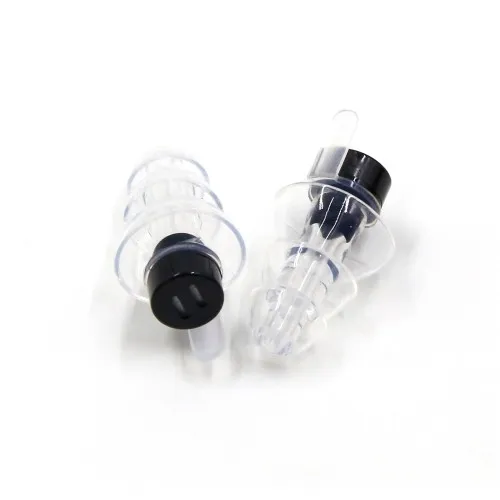
- Pouring line (90-100 dB(A)): ladle transfer and mold filling. Heat again rules out bulky muffs; communication-friendly filtered plugs help operators still hear the pour signal.
- Molding & core-making (85-95 dB(A)): sand mullers, blowers, and jolt-squeeze machines. Sustained action-level noise across a large headcount — the highest-volume PPE line in the plant.
- Shakeout & knockout (100-115 dB(A), impact): the loudest and most hazardous zone, with vibrating grids and pneumatic knockout. This is where dual protection — plugs plus muffs — earns its place, because the impact peaks demand maximum attenuation.
- Fettling, grinding & cleaning (95-110 dB(A)): swing-frame grinders, chipping hammers, and abrasive cut-off. Away from the furnace heat, so grinding-zone crews can wear muffs or dual protection; this station shares the arc-and-grinder noise profile of a metal fabrication shop.
What OSHA and the Impulse Rule Actually Require
In the United States the foundry answers to OSHA's occupational noise standard, 29 CFR 1910.95: an 85 dB(A) action level that triggers a hearing conservation program, a 90 dB(A) permissible exposure limit, and a 5 dB exchange rate. Because molding, melt, and pouring already sit at or above 85 dB(A), most foundries run a mandatory-wear policy plant-wide rather than posting spot zones. The detail buyers miss is the impulse ceiling: exposure to impulsive or impact noise should not exceed 140 dB peak, and shakeout and chipping routinely approach it. That is why the shakeout and knockout crews need protectors with genuine high attenuation, not the low-NRR comfort plug that suits the molding line. Europe reads the same floor through the EU Noise at Work Directive (2003/10/EC), with an 80 dB(A) lower action value and an 87 dB(A) exposure limit measured behind the protector — a stricter accounting that our country-by-country limits guide lays out in full.
A Sourcing Framework for Foundry PPE Buyers
For a purchasing or EHS manager buying in volume, the foundry breaks into three protection tiers, and a supplier who understands the floor should be able to quote all three from one catalog:
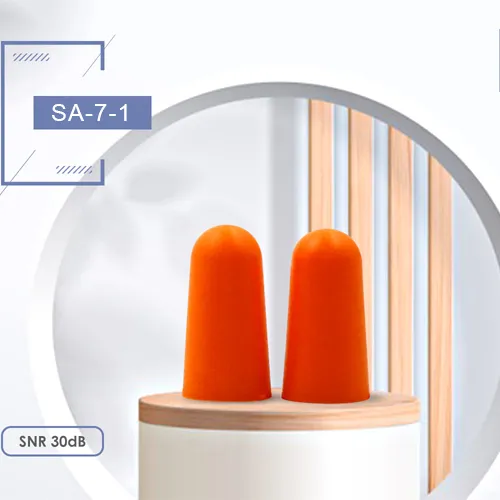
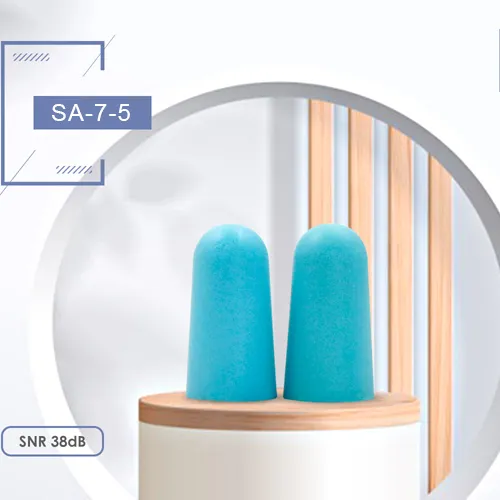
1. High-volume comfort plugs for the molding and melt floor. This is the bulk of the order — disposable PU foam (NRR 29-33) for the largest crew, chosen for all-day comfort and hygiene in a dusty, hot environment. Reusable silicone is the alternative where a washable, longer-life plug lowers cost-per-wear. Match the SKU to real wear time, not just the number on the box; the derating math is in our NRR and SNR ratings guide.
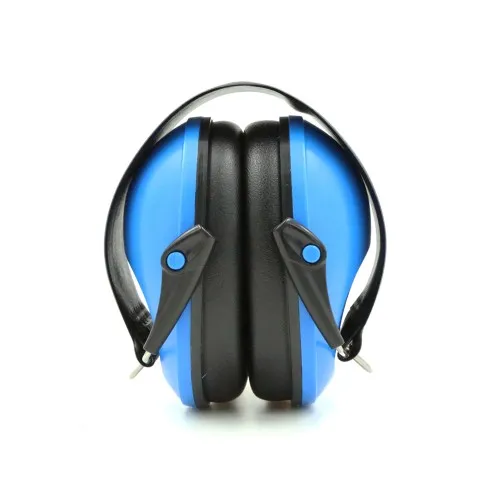
2. Dual protection for shakeout, knockout, and heavy fettling. A foam plug under a compact ear muff for the impulse-heavy stations. Because these crews work away from furnace radiant heat, muffs are practical here, and the plug-plus-muff combination adds roughly 5-6 dB over the better single protector — the margin that brings a 110-115 dB(A) impact zone under control.
3. Filtered or communication plugs where the pour signal matters. On the pouring line and in team-based melt work, a filtered acoustic plug flattens the level while preserving speech and signal audibility, so operators stay protected without losing situational awareness around molten metal.
Every tier should carry the certification your market demands — CE EN 352 for Europe, ANSI S3.19 / NRR for the United States — and the difference between the two is not interchangeable on a spec sheet, as our CE vs ANSI guide explains. As a Solution Integrator we mold our own foam and silicone lines and consolidate the muffs and filtered options into one shipment, so a foundry buyer sources the whole floor from a single vetted supplier rather than juggling three. Typical MOQs run from 10,000 pairs for foam and 5,000 for silicone, with catalog orders lower; the complete buyer guide covers vetting, sampling, and QC step by step, and we ship samples in 3-5 days.
Frequently Asked Questions
How loud is a foundry?
Noise runs on a gradient. The molding and core-making floor sits at 85-95 dB(A), the melt deck and pouring line at 90-105 dB(A), and shakeout, knockout, and fettling reach 100-115 dB(A) with impact peaks that can exceed 130 dB(C). Because almost every production role is at or above OSHA's 85 dB(A) action level, most foundries treat hearing protection as mandatory-wear across the whole plant.
Why are ear plugs often better than ear muffs in a foundry?
Near the melt furnace and pouring line, radiant heat warms an ear muff's foam cushion within minutes, weakening the seal and cutting the wear time workers will tolerate. A foam or silicone plug sits inside the canal, out of the radiant path, and stays comfortable for a full shift. Muffs remain the right tool in the grinding and fettling zones, which are away from furnace heat — and there, plug-plus-muff dual protection is best for the impact noise.
What is the most dangerous noise zone in a foundry?
Shakeout and knockout. Vibrating grids and pneumatic knockout produce continuous 100-115 dB(A) plus sharp impact peaks, and OSHA treats impulse noise above 140 dB(C) peak as an immediate hazard no matter how brief. These stations need genuine high-attenuation protection — typically dual protection — rather than the low-NRR comfort plug that suits the molding line.
How do silica dust and noise interact for PPE choice?
Sand molding, shakeout, and grinding fill the air with respirable dust, so hygiene drives the plug choice. Disposable foam inserted with clean hands, or washable silicone, avoids the contamination risk of a shared banded protector set down on a dusty bench. Hearing protection is also usually worn alongside a respirator, so the two must fit together without breaking either seal.
Can one supplier cover an entire foundry's hearing protection?
Yes, and it is the efficient way to buy. A foundry needs three tiers — high-volume comfort foam for the molding and melt floor, dual protection for shakeout and fettling, and filtered plugs where the pour signal matters. A Solution Integrator that molds its own foam and silicone and consolidates muffs and filtered lines can quote all three, ship one consolidated order, and provide the CE EN 352 or ANSI certification your market requires. Samples typically arrive in 3-5 days.