Hearing protection has one of the clearest returns on investment in workplace safety: a single occupational noise-induced hearing loss (NIHL) claim commonly costs an employer tens of thousands of dollars in compensation, medical and legal expense, while equipping one worker with certified hearing protection for an entire year typically costs under $30. Put another way, the cost of protecting a 50-person crew for a year is usually less than the cost of a single avoided claim. The ROI of a hearing conservation program is therefore not a question of whether it pays back, but how quickly: for most noisy operations the program pays for itself the first time it prevents one recordable hearing loss. The hard part for procurement and EHS managers is not believing this, it is presenting it in numbers that a finance team approves. This guide gives you that math.
Why Hearing Protection Is an Investment, Not a Cost Line
Most budget conversations treat personal protective equipment as a recurring expense to minimize. That framing quietly misses the larger number sitting on the other side of the ledger: the liabilities you avoid. Noise-induced hearing loss is permanent, it is one of the most common recordable occupational illnesses, and unlike many injuries it accumulates silently over years before anyone files anything. By the time a claim appears, the exposure that caused it happened on shifts you can no longer change.
The US National Institute for Occupational Safety and Health (NIOSH) estimates millions of workers are exposed to hazardous noise each year, and a large share of NIHL is preventable with the controls that already exist. That word, preventable, is what turns a safety expense into an investment: every dollar of protection is buying down a much larger, much less predictable future liability. A worked business case simply makes that trade explicit.
The Cost of Doing Nothing
To value a program you first have to value its absence. The cost of an unprotected noisy workplace shows up in four buckets:
- Compensation and claims: a single NIHL workers compensation claim frequently runs into five figures once you add the disability award, medical evaluation, hearing aids, and administration. Multiple claims from the same noisy line compound fast.
- Regulatory penalties: operating above the action level without a compliant program exposes you to citations. OSHA and equivalent authorities require monitoring, controls, and a hearing conservation program once exposures cross defined limits, and the limits differ by country.
- Productivity and error: workers straining to communicate over noise make more mistakes, miss verbal warnings, and tire faster. Hearing loss also drives presenteeism, where people are at work but performing below capacity.
- Turnover and reputation: hearing damage erodes trust in an employer, raises attrition in skilled roles, and surfaces in audits, customer reviews, and supplier scorecards that increasingly weigh worker safety.
None of these are hypothetical. The point of listing them is that the denominator in your ROI calculation is large and partly hidden, which is exactly why the protection side looks so favorable once you put real numbers next to it.
The Cost of Protecting: Real Numbers Per Worker
Now the other side of the ledger. A defensible per-worker annual cost is easy to build from unit prices and replacement frequency. Consider a worker on a noisy line who needs protection every shift:
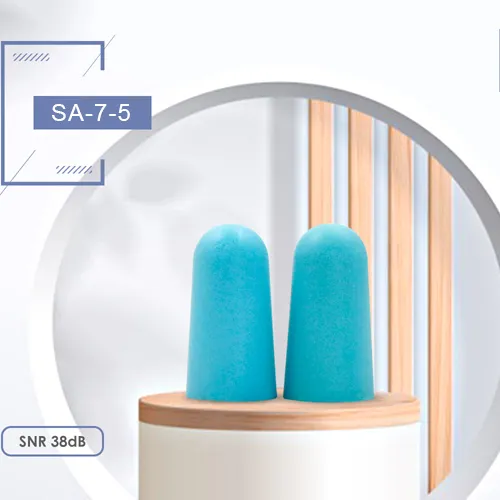
- Disposable foam plugs: at roughly $0.10 to $0.20 a pair and one pair per shift, a worker on about 230 shifts a year consumes around $25 to $45 of foam plugs annually.
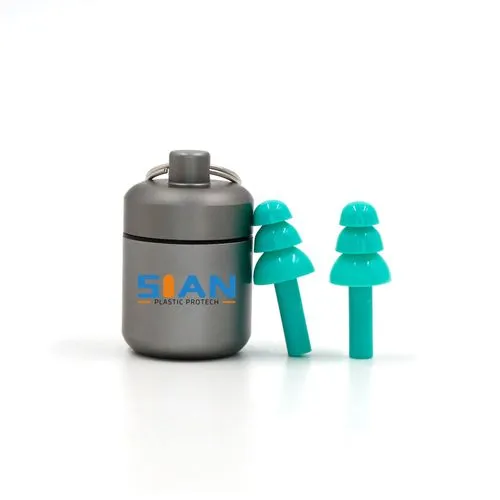
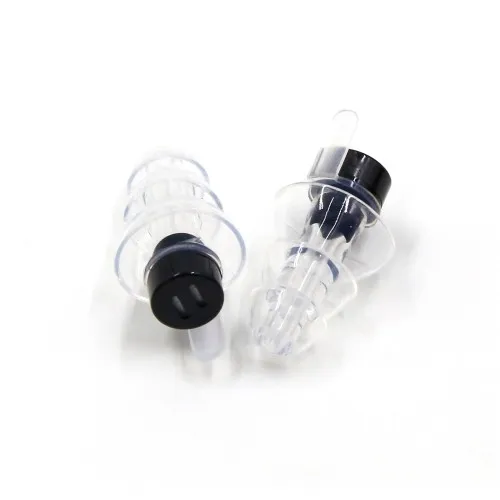
- Reusable silicone or banded plugs: a few dollars per unit replaced every one to three months lands near $15 to $40 a year per worker for reusable plugs, with the lower end achievable when fit and cleaning are managed well.
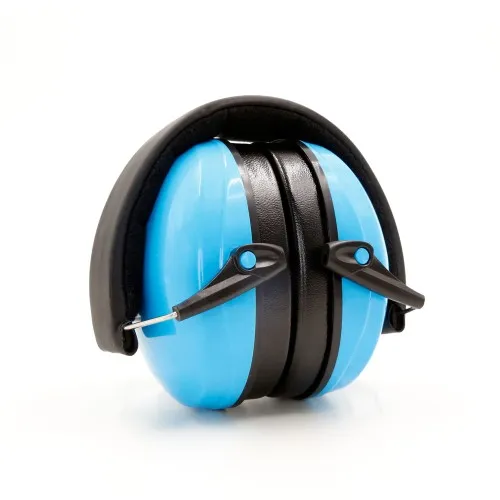
- Earmuffs: a quality muff at $8 to $25 used over one to three years works out to roughly $5 to $20 a year amortized, and pairs naturally with plugs for the highest-noise zones.
Add the program overhead that auditors expect: noise monitoring, annual audiometric testing, training, and recordkeeping. Even with those included, a complete hearing conservation program commonly lands in the low tens of dollars per worker per year. Set that against a five-figure avoided claim and the asymmetry is the whole argument.
The ROI Math: A Worked Example
Here is a simple model an EHS manager can drop into a one-page memo. Take a site with 50 exposed workers:
- Annual program cost: 50 workers x roughly $30 protection plus a share of monitoring, testing, and training. Call it about $4,000 to $6,000 a year all in for a small site.
- Avoided cost: preventing just one NIHL claim valued conservatively at $30,000 to $40,000.
- Payback: the program pays for itself the first year it prevents a single claim, and every subsequent claim-free year is almost pure avoided liability. Expressed as a ratio, spending on the order of $5,000 to protect against a single $35,000 event is a return measured in multiples, not percentages.
The model holds up because it is conservative. It counts only one avoided claim, ignores penalties, ignores productivity, and ignores turnover. Real programs prevent more than one claim and capture the softer benefits too. When finance asks for the downside case, the honest answer is that the worst realistic outcome of funding the program is that you spent a few thousand dollars and nothing bad happened, which is the goal.
Total Cost of Ownership: Disposable vs Reusable
The cheapest unit price is not always the lowest annual cost, and finance teams reward managers who understand the difference. The disposable versus reusable decision turns on three variables: replacement frequency, compliance rate, and fit. Disposables have the lowest entry cost and the best hygiene story but the highest consumption. Reusables cost more per unit but can lower annual spend in stable, trainable workforces where cleaning and storage are managed. The foam versus silicone trade-off sits inside this same calculation.
One variable dominates all of them: actual worn protection. A $0.10 plug that stays in a pocket protects no one and still shows up as a future claim. The highest-ROI program is not the cheapest catalog, it is the one workers actually wear, which makes comfort, fit, and the right product for each noise zone a financial decision rather than a comfort nicety. Match the product to the exposure using a real workplace noise survey rather than buying one product for every zone.
Benefits Beyond Compliance
A business case that only mentions avoided claims undersells the program. Three further returns matter to leadership:
- Productivity: comfortable, level-appropriate protection reduces fatigue and communication errors, and level-dependent electronic muffs let workers hear speech and warnings while still attenuating dangerous peaks.
- Retention: visible investment in worker health lowers attrition in exactly the skilled, hard-to-replace roles that operate in noisy environments.
- Brand and audit readiness: documented protection and certification support customer audits, ESG reporting, and supplier qualification, increasingly a condition of winning B2B contracts.
Sourcing for ROI, Not Just Unit Price
The procurement lever that protects ROI is total landed cost with reliable certification, not the lowest sticker price. A supplier who ships EN 352 or ANSI certified product, consolidates plugs and muffs into one order, and documents everything for audits removes hidden costs that erode the return: failed inspections, re-orders, and clearance delays. Choosing protection by noise zone and buying it from one accountable source is how a program stays cheap to run and easy to defend. The complete buyer guide covers the full selection process.
Frequently Asked Questions
What is the ROI of a hearing protection program?
The return is high because the costs are asymmetric. A full year of certified hearing protection per worker typically costs under $30, while a single noise-induced hearing loss claim commonly costs tens of thousands of dollars in compensation, medical and legal expense. For most noisy operations the program pays for itself the first time it prevents one recordable hearing loss, and every claim-free year after that is almost pure avoided liability.
How much does hearing protection cost per employee per year?
Protection itself usually runs in the low tens of dollars per worker per year: roughly $25 to $45 for disposable foam plugs at one pair per shift, $15 to $40 for reusable plugs, and a few dollars amortized for earmuffs. Adding the noise monitoring, audiometric testing, and training that auditors expect still keeps a complete hearing conservation program in the low tens of dollars per worker annually for most sites.
Is it cheaper to use disposable or reusable ear plugs?
It depends on consumption and compliance, not unit price alone. Disposables have the lowest entry cost and best hygiene but the highest annual consumption. Reusables cost more per unit but can lower annual spend where cleaning, storage, and fit are well managed. The decisive factor is worn protection: the highest-ROI option is the one workers actually keep in, so comfort and correct fit drive the real total cost of ownership.
How do I justify a hearing protection budget to finance?
Build a one-page model with two numbers: annual program cost (workers times per-worker protection plus a share of monitoring, testing, and training) and avoided cost (one conservatively valued NIHL claim). Show that the program pays back the first year it prevents a single claim, then note that the model is deliberately conservative because it ignores regulatory penalties, productivity loss, and turnover. The worst realistic outcome of funding it is that nothing bad happens.
Does hearing protection reduce regulatory and insurance risk?
Yes. Operating above the noise action level without a compliant program exposes you to citations from OSHA or equivalent authorities, and unmanaged exposure feeds future claims that raise insurance experience ratings. A documented program with certified protection, monitoring, and records reduces both the citation risk and the claim frequency that drives premiums, which is part of the avoided cost the ROI model captures.
Building the business case for a hearing protection program and need supplier numbers that hold up in a budget review? Contact EASTRAGON with your headcount, noise zones, and target markets, and we provide certified EN 352 and ANSI test reports, consolidated pricing across foam plugs, reusable plugs, and ear muffs, and the documentation your auditors and finance team need. As a Solution Integrator serving importers in 50+ countries, we ship samples in 3-5 business days. Browse the full product catalog.