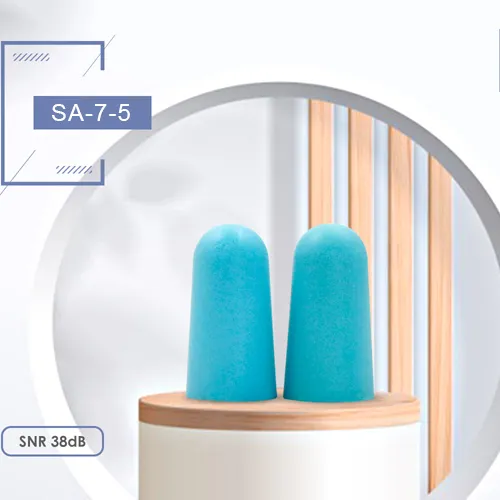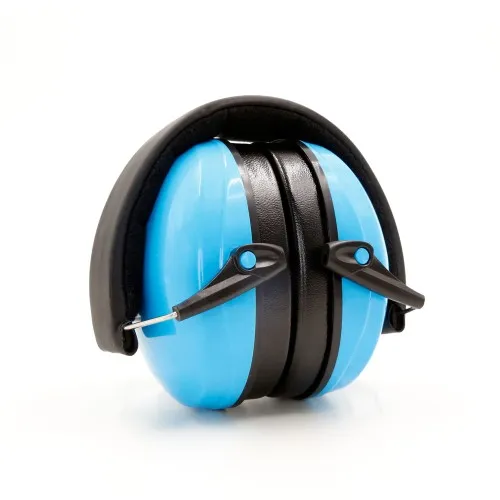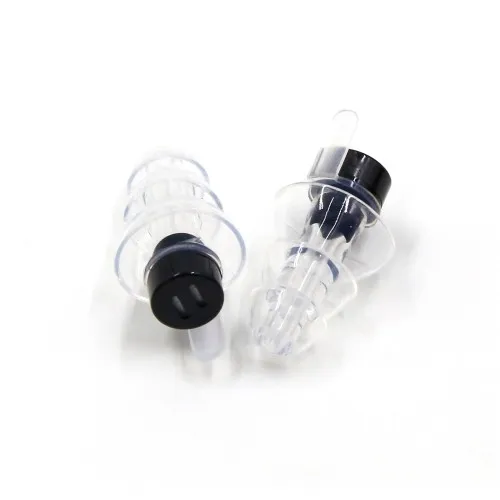
For most noisy workplaces, ear plugs vs ear muffs is not an either/or decision but a matching exercise: ear plugs give higher attenuation, lower cost per worker, and better fit under helmets and in tight spaces, while ear muffs are faster to put on correctly, easier to supervise for compliance, and better for workers who move in and out of noise. In the loudest zones the highest-value answer is both worn together, which adds roughly 5 to 8 dB over either alone. Choose plugs when noise is constant and high, choose muffs when exposure is intermittent or fit discipline is weak, and combine them above about 100 dB. The mistake that costs procurement teams money is buying one product for the whole site instead of matching protection to each noise zone. This guide gives you the decision framework.
The Core Trade-Off: Attenuation vs Practicality
Both ear plugs and ear muffs are certified to the same standards and both work. The difference is not whether they protect but how they protect in the messy reality of a shift. Ear plugs sit inside the ear canal and seal close to the eardrum, which is why well-fitted foam and silicone plugs reach the highest lab ratings. Ear muffs sit over the whole ear and seal against the side of the head, which makes them consistent and fast but bulkier. The right choice depends on which of those properties matters most in a given work zone, and that is a question about your floor, not about the products in the abstract.
Noise Reduction: What the NRR Actually Tells You
On paper, foam ear plugs usually carry the highest single-number ratings (often NRR 29 to 33), muffs land slightly lower (typically NRR 22 to 31), and the gap looks decisive. It is not, because lab ratings overstate field performance once fit and movement are accounted for. The US National Institute for Occupational Safety and Health (NIOSH) and OSHA both recommend derating the labeled NRR to estimate real-world protection, because a plug that is poorly inserted can lose far more attenuation than a muff that is simply lowered onto the head.
This is the practical reversal buyers miss: plugs have the higher ceiling but the higher variance. A trained, supervised worker gets more from a plug; an untrained or rushed one often gets more from a muff because a muff is harder to fit wrong. Match the rated and derated NRR to a real number using a workplace noise survey rather than choosing on the catalog figure alone, and apply the OSHA 50% derating rule before you commit.
Comfort, Compliance, and the Human Factor
The protector that delivers the most attenuation is the one workers actually keep on for the full shift, which is why comfort is a financial variable, not a soft one. Ear plugs are lighter, cooler, and invisible under hard hats and welding shields, so they win in hot environments and long, steady shifts, but they require correct insertion and can feel intrusive to new wearers. Ear muffs are quicker and more obvious, supervisors can see from across the floor whether a worker has them on, and they suit people moving in and out of noisy areas who would otherwise stop bothering with plugs.
Compliance is where this becomes a sourcing decision. In workforces with high turnover, language barriers, or weak training, muffs often produce higher real protection simply because they are used correctly more often. In stable, well-trained crews, plugs deliver more protection at lower cost. Read your own workforce honestly before you read the spec sheet.
Cost Per Worker: The Total-Cost Picture
Unit price is the smallest part of the story. The honest comparison is annual cost per worker including replacement frequency and compliance:
- Disposable foam plugs: at roughly $0.10 to $0.20 a pair and one pair per shift, a worker on about 230 shifts consumes around $25 to $45 of foam plugs a year, the lowest entry cost but the highest consumption.
- Reusable silicone plugs: a few dollars per unit replaced every one to three months lands near $15 to $40 a year for reusable plugs when cleaning and storage are managed.
- Ear muffs: a quality muff at $8 to $25 used over one to three years amortizes to roughly $5 to $20 a year per worker, with the bonus that the cost is durable rather than consumable.
The full disposable versus reusable and ROI calculations show why the cheapest unit price rarely wins: a $0.10 plug that ends up in a pocket protects no one and still becomes a future claim. The lowest annual cost is the product workers actually wear in each zone.
When to Use Both: The Dual-Protection Rule
In the loudest environments the question stops being plugs or muffs and becomes how much total attenuation you can stack. Wearing plugs under muffs does not add the two NRR numbers together; it adds roughly 5 to 8 dB over the better of the two alone. That is significant where exposures climb above about 100 dB, such as impact and percussive work, heavy metal fabrication, and zones near drop hammers or jet engines. The maximum noise reduction guide covers how to reach the highest defensible protection, and dual protection is almost always part of the answer at the top end.
A Decision Framework by Work Zone
Stop choosing one product for the site. Choose by zone using a short rule set an EHS manager can apply in a walkthrough:
- Constant high noise, trained crew, helmets and shields: ear plugs. Highest attenuation, lowest cost, best fit under other PPE.
- Intermittent noise, in-and-out workers, high turnover: ear muffs. Faster, supervisable, harder to misuse.
- Extreme noise above ~100 dB or impulse peaks: both, worn together, for stacked attenuation.
- Workers who must hear speech and warnings: level-dependent electronic muffs that attenuate peaks while passing normal sound.
- Wet, washdown, or food zones: washable silicone or filtered plugs for hygiene and reuse.
The same framework appears in the how to choose ear protection guide and the complete buyer guide, which walk through selection step by step.
Sourcing Both From One Accountable Supplier
Because the right program almost always mixes plugs and muffs across zones, the procurement advantage goes to a supplier who ships both, certifies both to EN 352 or ANSI, and consolidates them into one order with one set of documentation. Splitting hearing protection across vendors multiplies inspection, freight, and audit overhead for no benefit. One accountable source that matches certified plugs and muffs to your noise zones keeps the program cheap to run and easy to defend.
Frequently Asked Questions
Are ear plugs or ear muffs better for hearing protection?
Neither is universally better; they suit different conditions. Ear plugs offer higher peak attenuation, lower cost per worker, and better fit under helmets, but depend on correct insertion. Ear muffs are faster to fit right, easier to supervise, and better for intermittent exposure, at higher bulk and cost. The best protection in any specific zone is whichever one workers wear correctly for the full shift, which is why most sites use both across different areas.
Can you wear ear plugs and ear muffs at the same time?
Yes, and in very loud environments you should. Wearing plugs under muffs is called dual protection and adds roughly 5 to 8 dB over the better of the two used alone, not the sum of both NRR values. It is recommended where exposures exceed about 100 dB or involve impulse peaks, such as heavy fabrication, impact work, and zones near hammers or jet engines.
Do ear plugs have a higher NRR than ear muffs?
On the label, foam plugs usually carry the highest single-number ratings (often NRR 29 to 33) versus muffs at roughly NRR 22 to 31. In the field the gap narrows because plugs lose more attenuation when fitted poorly, while muffs are more consistent. Apply the OSHA 50% derating rule to both and base the decision on derated, real-world protection rather than the catalog figure.
Which is better for workers wearing hard hats or welding shields?
Ear plugs, in most cases. They sit inside the ear canal and do not interfere with helmets, face shields, or welding masks, while over-the-head muffs can break the seal against helmet straps or be displaced by other PPE. Where muffs are still wanted under a helmet, hard-hat-mounted muff models exist, but plugs are usually the simpler, lower-cost fit under stacked head protection.
How do I choose between ear plugs and ear muffs for a factory?
Run a workplace noise survey, map the dB level and exposure pattern of each zone, then match protection to the zone rather than the whole site. Use plugs for constant high noise and trained crews, muffs for intermittent exposure and in-and-out workers, banded canal caps for light 85 to 95 dB(A) tasks where workers pop protection on and off, both together above about 100 dB, and level-dependent electronic muffs where workers must hear speech and warnings. Source certified plugs and muffs from one supplier to simplify auditing.
Building a hearing protection program that mixes plugs and muffs across noise zones? Contact EASTRAGON with your headcount, noise zones, and target markets, and we provide certified EN 352 and ANSI test reports plus consolidated pricing across foam plugs, reusable plugs, and ear muffs. As a Solution Integrator serving importers in 50+ countries, we ship samples in 3-5 business days. Browse the full product catalog.