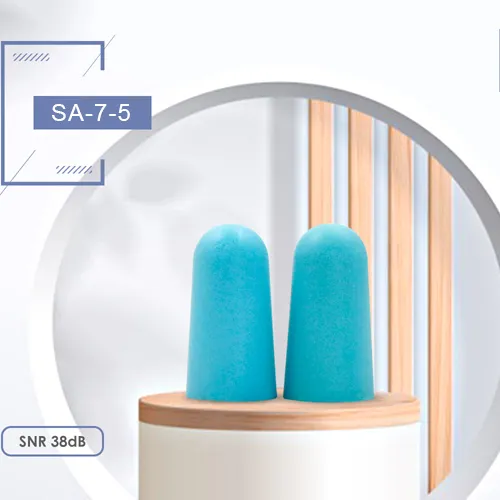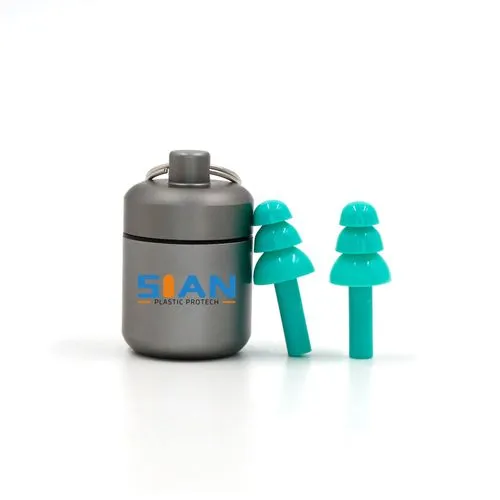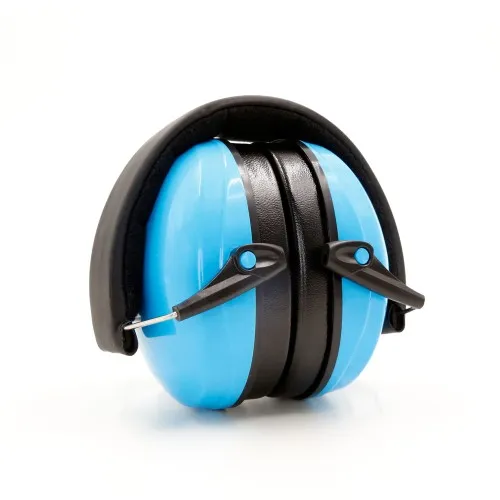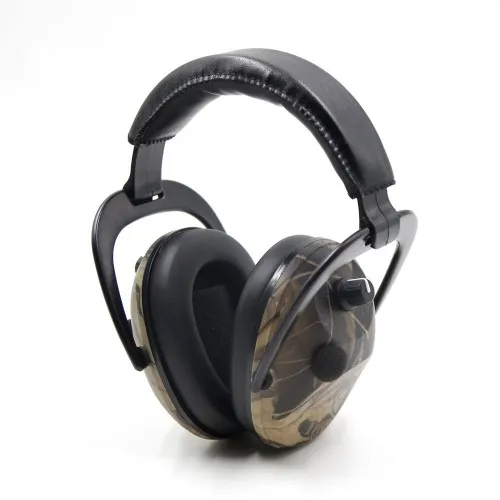
What is the HS code for ear plugs? There is no single universal code — classification follows material and mechanism: foam (polyurethane/PVC) ear plugs fall under HS 3926.90 (articles of plastics), silicone and rubber ear plugs under 4016.99 (articles of vulcanised rubber), passive ear muffs under 6506.10 (safety headgear), and electronic ear muffs are commonly entered under 8518.30. The Harmonized System is only uniform to 6 digits, so always confirm the destination country's 8-to-10-digit subheading and duty rate — ideally with a binding customs ruling — before the goods ship.
The HS code for ear plugs is decided by what the product is made of and how it works, not by the words "ear plug" on the box. There is no single universal code. Foam and silicone plugs, banded plugs, passive earmuffs, and electronic earmuffs each fall under a different 6-digit heading of the Harmonized System, and getting it wrong means delayed clearance, re-classification penalties, or the wrong duty rate. For B2B buyers placing a first order from China, the practical answer is: classify by material for plugs, treat earmuffs as a separate question, and confirm the destination-country digits with a binding ruling before the goods ship. The World Customs Organization harmonizes tariff codes only to 6 digits; the 8-to-10 digit subheading that sets your actual duty is set by each importing country, so the same earplug can carry a different full code in the US, EU, and Gulf. For the US, the full code and duty rate are searchable in the official U.S. Harmonized Tariff Schedule (USITC); for the EU, they are published in the European Commission's Access2Markets / TARIC database. Sourcing hearing protection in bulk starts with getting that code right.
Why "Ear Plug HS Code" Has No Single Answer
Official classification basis: under the World Customs Organization's Harmonized System, goods are classified by their material composition and essential character, following the six General Rules of Interpretation (GRI). GRI 1 classifies by the terms of the headings, and GRI 3(b) resolves composite articles by the material or component that gives them their essential character — which is precisely why an ear plug's material, not its name, decides the heading. A disposable foam plug, a reusable silicone plug, and an electronic earmuff share a purpose but are made of entirely different things, so they land in different chapters. Customs officers do not search for the marketing term; they apply the rules to the physical article. That is why a buyer who asks a freight forwarder for "the earplug code" and gets one number is taking a risk: the number is only correct for one product type in one country.
Two variables decide the heading every time. First, material: plastics, rubber, textile, or electronics each have their own chapter. Second, whether the article is an in-ear plug or an over-ear muff, because muffs are constructed and classified differently from plugs. Get those two right and the 6-digit heading follows. The country-specific digits then come from the destination tariff schedule, which is where a certification document set and a clear commercial invoice keep clearance smooth.
HS Headings That Commonly Apply to Hearing Protection
The headings below are the ones most frequently declared for hearing protection. Treat them as the starting point for classification, not as a guarantee, because the binding determination always belongs to the destination customs authority:
- 3926.90 - Other articles of plastics: the heading most commonly used for disposable PU foam plugs and molded silicone plugs that are simple plastic articles with no electronics. This is the default for the highest-volume earplug SKUs.
- 4016.99 - Other articles of vulcanized rubber: applies when the plug is made of vulcanized rubber rather than plastic. Material certificates from the supplier decide whether 3926 or 4016 is correct for a given silicone or elastomer formulation.
- 6506.10 - Safety headgear: the heading often associated with passive ear muffs classified as protective head equipment in several tariffs. Earmuff classification is more contested than plug classification, which is exactly why a ruling matters for muffs.
- 8518.30 - Headphones and earphones: applies to electronic and communications earmuffs whose essential character comes from built-in speakers, microphones, or radio circuitry. A level-dependent or Bluetooth muff is no longer a simple protector for tariff purposes.
Notice what this means for a mixed order. A single purchase order containing foam plugs, silicone plugs, passive muffs, and electronic muffs may legitimately split across three or four headings on the same commercial invoice. A supplier who lists every line with its likely heading and material saves your broker hours and reduces the chance of a customs query.
Foam, Silicone, Banded, and Corded Plugs
For the in-ear products that make up most order volume, material is the deciding factor, and the differences between them are covered in our disposable vs reusable guide:
- PU foam plugs (disposable): simple plastic article, typically 3926.90. The corded version stays under the same heading because the cord does not change the essential character.
- Silicone plugs (reusable): 3926.90 when treated as plastics, or 4016.99 when the material is classified as vulcanized rubber. Ask the factory which their formulation is; reputable suppliers know how their material has cleared before.
- Banded / canal-cap plugs: a plastic band with plug tips is still a plastic article and generally follows the plug heading rather than the muff heading, but the band construction is one of the details a binding ruling resolves cleanly.
- Filtered / acoustic plugs: our filtered earplugs with a passive acoustic filter usually remain plastic articles because the filter is mechanical, not electronic, but confirm this when the filter is a separate certified component.
The Step That Actually Protects You: A Binding Ruling
The single most reliable way to lock in your code is to request an advance ruling from the destination customs authority before you import. In the United States this is a binding ruling from U.S. Customs and Border Protection; in the European Union it is Binding Tariff Information (BTI); most major markets run an equivalent scheme. The ruling is issued in writing, is legally binding on customs, and removes the argument at the border. For an importer building a recurring program rather than a one-off shipment, the few weeks it takes to obtain a ruling pays for itself the first time a container clears without a classification hold.
Until the ruling is in hand, three documents keep shipments moving: a commercial invoice that states material and product type per line, the supplier's material declaration, and the EN 352 or ANSI test documentation that proves the goods are certified hearing protectors. A buyer importing under their own brand should make this paperwork part of the supplier agreement, not an afterthought at the port.
Duty, Country of Origin, and Documentation
The HS heading sets the duty band, but the rate itself comes from the destination tariff schedule and any trade agreement in force, so a code that is duty-free into one market may carry a rate into another. Country of origin matters just as much: goods manufactured in China carry a China origin declaration, and the correct origin plus the correct HS code together determine landed cost. A China-based manufacturer that issues clean origin documentation and a consistent HS suggestion across orders is easier to plan around than one that leaves you to guess. This is part of the wider sourcing picture a procurement team has to manage.
Frequently Asked Questions
What is the HS code for ear plugs?
For most foam and silicone ear plugs the commonly used 6-digit heading is 3926.90, "other articles of plastics", with 4016.99 applying when the material is classified as vulcanized rubber. The full 8-to-10 digit code that sets your duty is assigned by the destination country, so the same plug can have a different complete code in the US, EU, and other markets. Confirm the final code with a binding ruling.
Is the HS code the same for ear plugs and ear muffs?
No. In-ear plugs are usually classified as plastic or rubber articles, while passive ear muffs are often classified as safety headgear under 6506.10, and electronic or communications muffs fall under 8518.30 because their speakers and circuitry give them their essential character. A mixed order can legitimately split across several headings on one invoice.
Does the supplier or the importer decide the HS code?
The importer of record is legally responsible for the declared classification, and the destination customs authority makes the binding determination. A good supplier helps by stating material and product type on every invoice line and suggesting the likely heading, but the final responsibility and any advance ruling sit with the importer.
How do I get a guaranteed correct HS code?
Request an advance or binding ruling from the destination customs authority before importing, for example a CBP binding ruling in the US or Binding Tariff Information in the EU. The ruling is issued in writing and is binding on customs, which removes classification disputes at the border for the life of the ruling.
What documents should I ask the factory for to clear customs smoothly?
Ask for a commercial invoice that lists material and product type per line, a material declaration, a country-of-origin statement, and the EN 352 or ANSI S3.19 certification proving the goods are certified hearing protectors. Building this into the supply agreement upfront prevents clearance holds later.
What is the HSN code for ear plugs in India?
"HSN code" is simply India's name for the same Harmonized System classification used worldwide, applied under GST. The first 6 digits are identical to the international HS code, so foam and other plastic ear plugs sit under HSN 3926 (3926.90 for other articles of plastics), silicone or vulcanized-rubber plugs under 4016, and passive safety ear muffs under 6506 — India then adds its own 8-digit extension and a GST rate on top. Confirm the full 8-digit HSN and GST slab with your Indian customs broker or the CBIC tariff before shipping.
Planning a bulk hearing protection import and need clean customs documentation? Contact EASTRAGON with your product mix and destination market, and we provide a line-by-line invoice with material and suggested HS heading, country-of-origin documentation, and CE EN 352 or ANSI test reports with every shipment. As a Solution Integrator we ship certified foam plugs, silicone plugs, and ear muffs to importers in 50+ countries, with samples in 3-5 business days. Browse the full product catalog.