Safety managers responsible for hearing protection programs face a practical question every time they spec a new order: should workers wear standard foam ear plugs or filtered ear plugs? The answer depends on the noise profile, communication requirements, and compliance behavior of each department -- not on which product has the higher spec sheet number. This guide breaks down the five factors that actually drive the decision, with data and cost comparisons relevant to bulk B2B purchasing.
How Filtered Ear Plugs Work (and Why Factories Care)
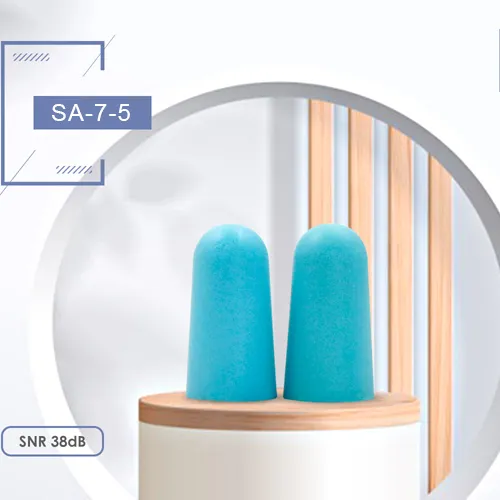
Standard foam ear plugs are made from slow-rebound polyurethane. They compress, slide into the ear canal, and expand to seal it. The seal blocks sound across all frequencies, with heavier attenuation in the high-frequency range. This produces the muffled feeling most workers recognize -- voices sound distant, alarms sound dull, and situational awareness drops.
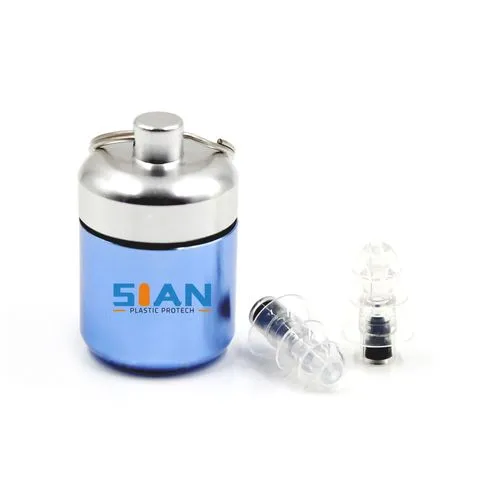
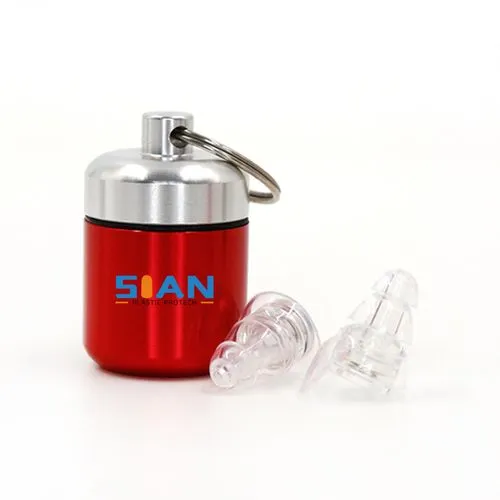
Filtered ear plugs use a different approach. A mechanical or acoustic filter element sits inside a silicone or thermoplastic shell. The filter is tuned to reduce volume more evenly across the frequency spectrum -- a property called flat or linear attenuation. The result: sound gets quieter but stays clear. Workers can hear speech, warning signals, and machine rhythm changes while still receiving meaningful noise reduction, typically NRR 12-20 dB depending on the filter grade.
This matters in factories where communication is not optional. Assembly lines with verbal quality calls, forklift zones where horn response prevents collisions, and packaging areas where team coordination keeps throughput up -- all these benefit from hearing protection that reduces volume without cutting off awareness. According to CavCom, a specialist in industrial communication, filtered hearing protection enables face-to-face conversation and alarm recognition even in 85-95 dB environments.
5 Factors That Decide Which Type Wins
| Factor | Standard Foam Plugs | Filtered Ear Plugs |
|---|---|---|
| NRR range | 29-33 dB | 12-20 dB |
| Speech clarity | Muffled; voices hard to hear | Clear; conversation possible |
| Alarm audibility | Reduced; high-freq alarms affected most | Preserved; flat attenuation keeps alarm tone |
| Cost per pair (bulk) | $0.05-0.15 | $0.80-3.00 (reusable) |
| Lifespan | Single shift (disposable) | 2-4 weeks with daily cleaning |
1. Noise level determines the baseline
If your factory floor runs above 100 dB -- stamping presses, grinding stations, CNC machining clusters -- filtered ear plugs do not provide enough attenuation. Workers in those zones need NRR 29+ foam plugs, and in some cases dual protection (plugs under earmuffs). Filtered ear plugs belong in the 82-95 dB range where they can reduce exposure to safe levels while keeping communication open.
2. Communication requirements vary by department
A metal stamping line and a quality inspection station may sit 20 meters apart but have completely different hearing protection needs. Stamping needs maximum attenuation. Inspection needs workers to hear defect sounds, communicate with line operators, and respond to forklift horns. Stocking both types and matching them to measured noise zones is what separates a good hearing conservation program from a "buy the cheapest foam plug" policy.
3. Compliance goes up when workers can hear each other
The most common reason workers remove hearing protection on the job is that they cannot communicate. They pull out a plug to hear a question, forget to reinsert it, and spend the next 30 minutes unprotected. Filtered ear plugs reduce this behavior because workers can carry on a conversation without removing them. For safety managers running OSHA hearing conservation programs, higher compliance rates from filtered plugs in moderate-noise zones can produce better real-world protection than foam plugs with a higher NRR that workers keep removing.
4. Total cost of ownership is closer than unit price suggests
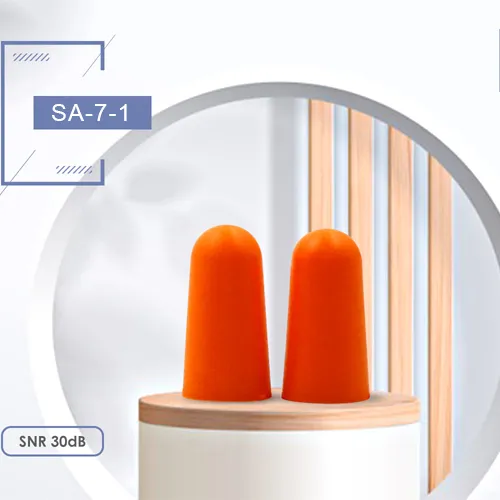
A pair of SA-7-1 foam plugs costs roughly $0.08 in bulk. A pair of SA-2-1 filtered plugs costs about $1.50. That looks like a 19x price gap. But foam plugs are single-use -- a worker on a 5-day schedule goes through 260 pairs per year ($20.80). Filtered plugs last 2-4 weeks with cleaning, meaning 13-26 replacements per year ($19.50-39.00). In moderate-noise departments where filtered plugs provide sufficient NRR, the annual cost per worker is comparable. Add in reduced audiometric follow-up costs from better compliance, and the economics tilt further.
5. Certification and testing standards apply to both
Both filtered and standard ear plugs sold into the EU must meet EN 352-2. Both sold into North America must carry an NRR tested per ANSI S3.19 or S12.6. The certification process is identical -- the only difference is the attenuation values printed on the label. Safety managers should request the same documentation for filtered plugs as they would for foam: test reports, CE or ANSI certificates, and material safety data sheets.
When to Use Each Type: Department Mapping
Most factories with 50+ workers should not standardize on one type. The practical approach is to map departments by measured noise level and communication needs:
- 95-115 dB zones (stamping, grinding, machining): Standard foam plugs NRR 29-33. Consider corded versions for areas with contamination risk.
- 85-95 dB zones (assembly, packaging, warehouse): Filtered ear plugs NRR 16-20. Workers can communicate, compliance stays high.
- 82-85 dB zones (offices adjacent to production, break rooms near machinery): Filtered ear plugs NRR 12-16 or optional use. Some workers prefer them for comfort during light noise exposure.
- Visitor and inspector use: Foldable earmuffs remain the fastest to deploy for anyone walking through a mixed-noise facility.
How to Evaluate Filtered Ear Plugs Before a Bulk Order
Filtered ear plugs vary more in performance than foam plugs do, because the filter element is the critical component. Before committing to a production order, safety managers should check four things:
- Published attenuation curve -- not just a single NRR number. A flat curve (similar reduction at 250 Hz, 1 kHz, and 4 kHz) means true filtered performance. A steep curve that drops off above 2 kHz is just a standard plug with a hole in it.
- Filter replaceability -- some designs allow filter swaps for different attenuation levels. This lets you stock one shell and multiple filter grades.
- Fit testing compatibility -- filtered plugs should be compatible with field fit-testing systems. If your program uses fit verification, confirm the plug works with your system before ordering.
- Cleaning protocol -- reusable plugs need a documented cleaning routine. If your site cannot support daily plug washing, disposable foam may be more practical regardless of other advantages.
Frequently Asked Questions
Can filtered ear plugs replace foam plugs in all factory areas?
No. Filtered ear plugs typically provide NRR 12-20, which is not enough for zones above 95-100 dB. They work best in moderate noise (82-95 dB) where communication and situational awareness matter. High-noise zones still need NRR 29-33 foam plugs or dual protection.
Do filtered ear plugs meet OSHA requirements?
Yes, as long as the attenuation is sufficient for the measured noise exposure. OSHA requires that the selected hearing protector reduce worker exposure below the action level (85 dB TWA) or PEL (90 dB TWA). If a filtered plug with NRR 16 achieves that in a given zone, it is compliant. Apply the standard derating formula: (NRR - 7) / 2.
How long do filtered ear plugs last compared to foam?
Foam plugs are single-use -- replace every shift. Filtered ear plugs with silicone or thermoplastic shells last 2-4 weeks with daily cleaning. The acoustic filter itself may last 3-6 months before performance degrades. Check the manufacturer's recommended replacement schedule and build it into your procurement calendar.
What is the MOQ for filtered ear plugs from EASTRAGON?
Minimum order quantity for our SA-2-1 Standard Filtered Earplugs and SA-2-2 Musician Filtered Earplugs starts at 5,000 pairs. OEM and private label options are available. Samples ship within 7 days of request.
Are filtered ear plugs harder to fit correctly?
Most filtered ear plugs use a flanged or pre-molded design that does not require the roll-and-insert technique of foam plugs. Workers press them into the ear canal until the flanges seal. This makes initial fit faster and more consistent, which is an advantage for sites with high turnover or temporary labor. However, fit verification is still recommended for any hearing protection program.
Can we get filtered and foam plugs from the same supplier?
Yes. EASTRAGON manufactures both foam ear plugs and filtered ear plugs in the same factory complex. Ordering both types from a single supplier simplifies logistics, consolidates quality documentation, and often qualifies for combined volume pricing. Contact us to request a mixed-type quote.
Need help deciding which departments should use filtered plugs and which should stay with foam? Send EASTRAGON your floor plan and noise survey data -- we will recommend a product mix matched to your measured noise zones. Samples for both types ship within 7 days.