Manufacturing plants are one of the most acoustically complex workplaces. Unlike a construction site dominated by one or two loud tools, a typical factory floor has stamping presses, CNC machines, pneumatic lines, and grinding stations all running at once. Noise levels range from 75 dB in packaging to over 115 dB at stamping. OSHA requires a hearing conservation program when workers are exposed to 85 dB TWA or above. This guide walks procurement managers through zone mapping, product selection by noise level, and the compliance steps that auditors actually check.
Manufacturing Noise Zones and Typical Levels
The first step in any factory hearing protection program is a noise survey. Most manufacturing facilities break down into predictable zones. The table below gives typical ranges based on industry measurements — your actual readings will vary by equipment age, enclosure, and maintenance.
| Zone / Process | Typical dB Range | Primary Noise Sources |
|---|---|---|
| Stamping / pressing | 95–115 dB | Hydraulic and mechanical presses, die impact |
| Grinding / deburring | 100–115 dB | Abrasive wheels, bench grinders, belt sanders |
| Compressed air systems | 95–110 dB | Air blow-off nozzles, pneumatic tools, leaks |
| CNC machining | 90–105 dB | Spindle rotation, chip evacuation, coolant pumps |
| Assembly lines | 85–95 dB | Power drivers, rivet guns, conveyor motors |
| Packaging / shipping | 75–85 dB | Tape guns, stretch wrappers, forklifts |
What makes manufacturing different from single-source noise environments is the overlap. A worker at a CNC station (90–105 dB) may also be 15 meters from a stamping press (95–115 dB) and next to a compressed air line (95–110 dB). These sources combine, pushing actual exposure above any single reading. That is why area-based monitoring alone is not enough — personal dosimetry gives a more accurate TWA for workers who move between zones during a shift. The CDC/NIOSH noise topic page provides additional data on occupational noise exposure across industries.
Matching Protection to Zone Level
Once you have your noise map, the selection logic is straightforward. Group your facility into three protection zones and assign products accordingly.
| Zone | Noise Level | Recommended Protection | Suggested NRR |
|---|---|---|---|
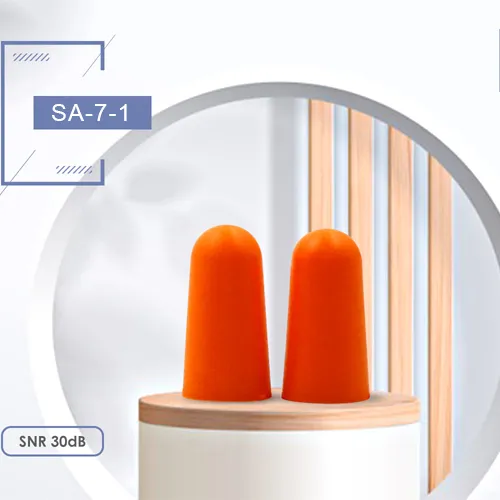
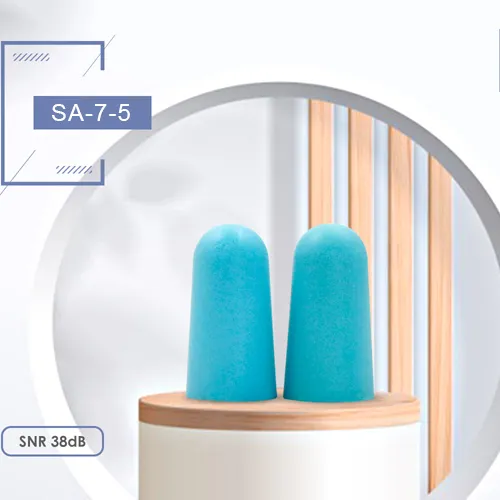
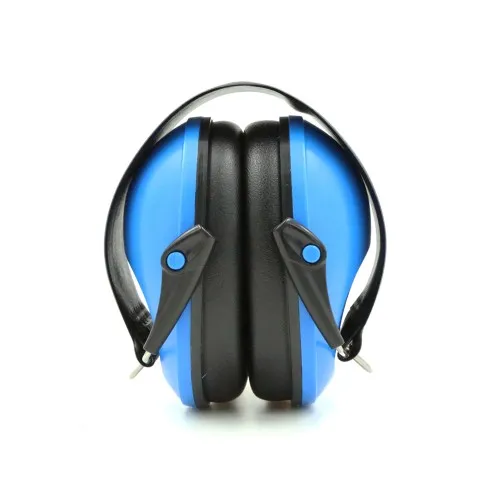
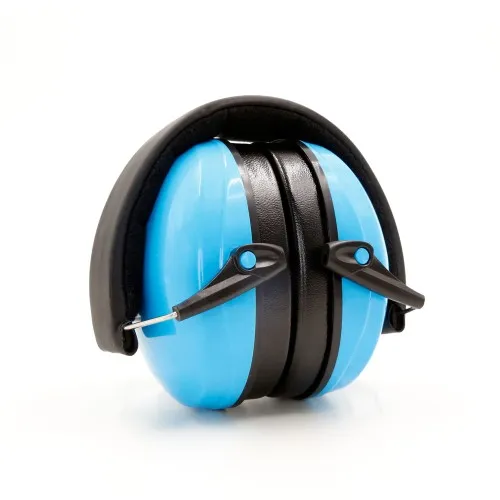
| Zone A — High | >100 dB | High-NRR foam plugs + earmuffs (dual protection) | Combined NRR 29–33 plugs + earmuffs |
| Zone B — Moderate | 85–100 dB | Foam or reusable plugs, single protection sufficient | NRR 22–33 |
| Zone C — Low / Borderline | 80–85 dB | Optional — lightweight banded plugs or low-profile muffs | NRR 15–22 |
Zone A: Dual Protection Above 100 dB
OSHA recommends dual protection (plugs under muffs) when noise exceeds 100 dB TWA. The calculation is not simply additive — you do not get NRR 33 + NRR 25 = NRR 58. The accepted formula adds 5 dB to the higher-rated device's NRR. So a worker wearing NRR 33 foam plugs under NRR 25 earmuffs gets an effective NRR of about 38. That is enough for most stamping and grinding environments. For details on how NRR calculations work, see our SNR vs NRR rating guide.
Zone B: Standard Protection for 85–100 dB
This is where most factory workers fall. A foam ear plug with NRR 29–33 handles the vast majority of assembly line and CNC machining noise. For workers who need to communicate or hear warning signals, consider electronic earmuffs with level-dependent attenuation — they cut harmful noise while letting speech through.
Zone C: Borderline Zones
Packaging and shipping areas often sit between 75 and 85 dB. OSHA does not mandate hearing protection below 85 dB TWA, but workers who rotate into louder zones during the shift may still need it. Lightweight banded plugs are a practical option here — they hang around the neck and pop into the ears quickly when moving into noisier areas. High-speed printing and packaging lines push these zones toward the upper limit, where intermittent press, folding, and converting noise warrants a closer look.
OSHA Compliance Checklist for Manufacturing
A hearing conservation program under 29 CFR 1910.95 has several moving parts. Here is what an OSHA auditor or insurer will check in a manufacturing setting:
- Noise survey. Document dB levels for every work area and job classification. Update when you add equipment, change layouts, or modify processes. Personal dosimetry for workers who move between zones.
- Audiometric testing. Baseline audiogram within 6 months of hire (or 12 months if using mobile testing). Annual follow-ups. Track standard threshold shifts (STS) and take action when detected.
- Hearing protection availability. Provide at least two types of hearing protection at no cost. Workers exposed above 85 dB TWA must have access at all times. Replacements must be available on demand — not locked in a supervisor's office.
- Training. Annual training covering: why hearing protection matters, how to correctly insert ear plugs, how to inspect and maintain earmuffs, and what to do if protection is damaged or lost. Document attendance.
- Recordkeeping. Maintain audiometric test results, noise survey data, and training records. OSHA requires retention for the duration of employment plus 30 years for medical records.
- Signage. Post noise hazard signs at the boundary of every zone where levels exceed 85 dB. Signs should indicate the required type of protection.
- Annual review. Review the entire program yearly. Check whether noise levels have changed, whether STS rates are trending up, and whether workers are actually wearing the protection provided.
Missing any one of these seven elements exposes your company to OSHA citations. The average manufacturing hearing-related violation penalty runs $4,000–$16,000 per instance, with willful violations reaching $165,000+.
Cost Optimization: Dispensing Stations and Bulk Purchasing
Hearing protection is a recurring consumable. For a 100-worker plant running 250 days per year, annual ear plug consumption can range from 25,000 to 75,000 pairs depending on loss rates and whether you use disposable or reusable plugs. Managing this cost takes two approaches.
Bulk Purchasing
Per-unit cost drops significantly at volume. At EASTRAGON, the MOQ starts at 5,000 pairs. Pricing at 50,000+ pairs typically runs 40–60% below small-order rates. For manufacturing plants, we recommend quoting at annual volume rather than quarterly — it locks in a lower rate and reduces ordering overhead.
Dispensing Station Placement
Wall-mounted dispensers placed at zone boundaries reduce waste and improve compliance at the same time. Workers grab a pair when entering a loud zone and do not need to carry them all day. Place dispensers at:
- Every entrance to Zone A and Zone B areas
- Break room exits that lead to production floors
- Locker rooms and shift change areas
- Visitor check-in points
3-Year Cost Comparison: Foam vs Reusable (100 Workers)
| Cost Factor | Disposable Foam Plugs | Reusable Silicone Plugs |
|---|---|---|
| Unit cost | $0.08–$0.12 per pair | $2.50–$4.00 per pair |
| Replacement frequency | Daily (1 pair/worker/day) | Every 2–4 weeks |
| Annual pairs consumed (100 workers) | 25,000–30,000 | 1,300–2,600 |
| Annual cost | $2,000–$3,600 | $3,250–$10,400 |
| 3-year total | $6,000–$10,800 | $9,750–$31,200 |
| Best for | High-loss environments, visitors, short contracts | Stable workforce, low turnover, sustainability goals |
Disposable foam plugs win on 3-year total cost in most manufacturing settings, especially where turnover is high and loss rates are hard to control. Reusable plugs make sense when you have a stable workforce and a cleaning/inspection program in place.
Frequently Asked Questions
What NRR do I need for a manufacturing plant?
It depends on the zone. Most assembly and machining areas (85–100 dB) are covered by foam plugs with NRR 29–33. Stamping, grinding, and compressed air zones above 100 dB need dual protection — plugs plus earmuffs. Use the OSHA derating formula (NRR minus 7, divided by 2) to estimate real-world attenuation from the labeled rating.
Are ear plugs or earmuffs better for factory workers?
For most manufacturing workers, foam ear plugs are the default choice because they are inexpensive, disposable, and provide high NRR. Earmuffs work better for workers who frequently enter and exit noisy zones (quick on/off), workers with ear canal conditions that prevent plug insertion, and situations requiring dual protection above 100 dB. Many factories stock both.
How often should hearing protection be replaced in manufacturing?
Disposable foam plugs: replace every shift. Do not reuse them — compressed foam loses its shape and seal. Reusable silicone plugs: clean daily, inspect weekly, replace every 2–4 weeks or when they show cracks, hardening, or discoloration. Earmuff cushions: replace every 6–12 months, or sooner if the foam is flattened or the seal is broken.
Does OSHA require hearing protection for all manufacturing workers?
No. OSHA requires hearing protection only for workers exposed to 85 dB TWA or above over an 8-hour shift. Workers in quiet offices, packaging areas below 85 dB, and break rooms are not required to wear hearing protection — though your program should cover them if they occasionally enter louder zones. See our full OSHA hearing conservation program breakdown.
How do I reduce ear plug loss rates in factories?
Five practical steps: (1) Place dispensing stations at every zone boundary, not just at the main entrance. (2) Use corded ear plugs for workers who move between zones — the cord keeps the plugs around the neck. (3) Track consumption by department to identify problem areas. (4) Train workers on proper insertion technique so plugs stay seated and do not fall out. (5) Buy plugs that fit well — poor fit is the top reason workers remove and lose hearing protection.
For specialized manufacturing environments with additional contamination requirements, see our guides on food processing plant hearing protection and pharmaceutical cleanroom hearing protection.
Need help selecting hearing protection across your factory's noise zones? Contact EASTRAGON for a free product recommendation and sample kit — we supply foam plugs, reusable plugs, and earmuffs for every zone level. MOQ from 5,000 pairs, samples ship within 7 days.