A paper and pulp mill is one of the few industrial sites that is loud everywhere, all the time. Chippers and de-barking drums run 100 to 110 dB, refiners and grinders 95 to 105 dB, the paper machine and its drives 90 to 100 dB along hundreds of feet of line, winders and rewinders 95 to 105 dB, and high-pressure steam and recovery-boiler vents can spike past 110 dB — and unlike a machine shop that idles at night, most mills run continuous 12-hour shifts, so exposure is measured across a long, unbroken day. Layered on top of the noise is the environment itself: heat, steam, high humidity, and process chemicals (chlorine dioxide, sulfur compounds, caustic) that soak and degrade disposable foam. The right program for a mill is therefore not simply the highest NRR on the shelf but all-day comfortable protection that survives heat and humidity, preserves enough hearing for the workers who must monitor a running machine, and holds up in a wet, corrosive plant. This guide breaks mill noise down by area and gives paper-industry PPE buyers a sourcing framework built for continuous operation.
Why Paper & Pulp Mill Noise Is a Different Problem
Most industrial hearing guides picture a worker at a single loud machine for part of a shift. A pulp and paper mill breaks that picture in three ways. First, the noise is continuous and plant-wide rather than tied to one station — a machine tender walks a paper line that is 90 to 100 dB from wet end to dry end, an operator crosses a pulping floor that never drops below 90 dB, and the mill runs around the clock, so the time-weighted average is driven by long, steady exposure rather than short peaks. Second, the environment is hot and wet: paper machines throw off steam, the pulping and bleaching areas are humid and chemically aggressive, and disposable foam that gets damp absorbs moisture and grit and loses attenuation. Third, much of the work is monitoring — a tender listens to a running machine for a change in tone that signals a sheet break or a bearing problem — so protection that seals the ear off completely can hide the very cues an experienced operator relies on.
These conditions change the buying logic. In a dry, intermittent workshop, a high-NRR disposable foam plug used occasionally is a cheap, good answer. In a mill, the same plug worn for a full 12-hour shift in humid, chemical air is often the wrong answer — uncomfortable enough that workers pull it out, and degraded by moisture before the shift ends. This is exactly the kind of real-world, all-shift exposure a workplace noise survey is designed to capture, mapping the steady level, the duration, and the monitoring need across the plant before hearing loss becomes permanent. Because continuous mill noise behaves differently from short impact noise, it helps to understand the underlying noise patterns before choosing a device.
Mapping Noise by Mill Area
A mill is loud throughout, but the character and level change from the wood yard to the finishing floor, and buying one product for every area both overspends and underprotects. A practical map looks like this:
| Area / Task | Typical Noise | Noise Character | Protection Priority |
|---|---|---|---|
| Wood yard chippers & de-barking drums | 100-110 dB | Continuous + impact | Maximum attenuation, dust-resistant |
| Refiners & grinders (mechanical pulp) | 95-105 dB | Continuous, high-frequency | High-NRR plugs or muffs |
| Digesters & pulping floor | 90-100 dB | Continuous, humid/chemical | Washable reusable, all-day comfort |
| Paper machine (wet to dry end) | 90-100 dB | Continuous, monitoring-critical | Filtered or level-dependent |
| Winders & rewinders | 95-105 dB | Continuous | High-NRR plugs |
| Steam vents & recovery boiler | 100-110+ dB | High-pitch, impulse blowdown | Dual protection near vents |
| Finishing, cutting & converting | 85-100 dB | Mixed | Comfortable all-day plugs/muffs |
| Control room & QA lab | 75-85 dB | Intermittent | Light protection, communication |
The pattern that jumps out is duration. Unlike a fabrication shop with loud bursts and quiet gaps, a mill holds most trades above the 85 dB(A) action level for the whole shift, so the daily dose is high even where the peak level looks moderate. That is why "just buy the highest number on the packet" matters less here than choosing protection a worker will actually keep in for twelve hours in hot, humid air.
Continuous Exposure: Why All-Day Comfort Beats Peak NRR
The Noise Reduction Rating (NRR) and the European SNR describe attenuation under ideal, steady, laboratory conditions. In a mill the binding constraint is usually not the label number but wear time: a plug rated for very high attenuation delivers nothing during the minutes a worker takes it out because it is uncomfortable, itchy in the heat, or hard to reseat with process-soiled hands. Real-world protection in continuous noise is the product of the label attenuation and the fraction of the shift the device is actually worn, so a slightly lower-NRR plug that stays in all day often protects better than a maximum-NRR plug that comes out. Understanding how NRR and SNR are derived helps a buyer read those numbers honestly instead of over-buying attenuation the workforce will not tolerate.
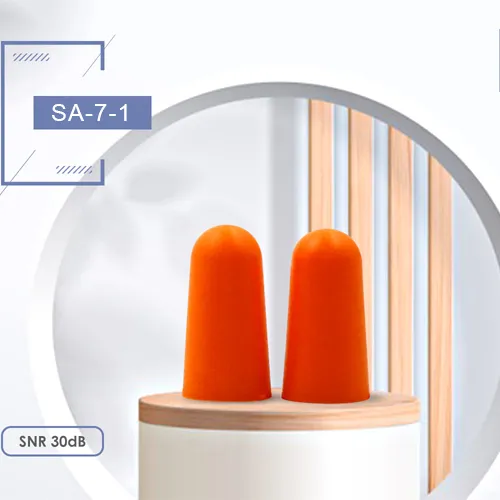
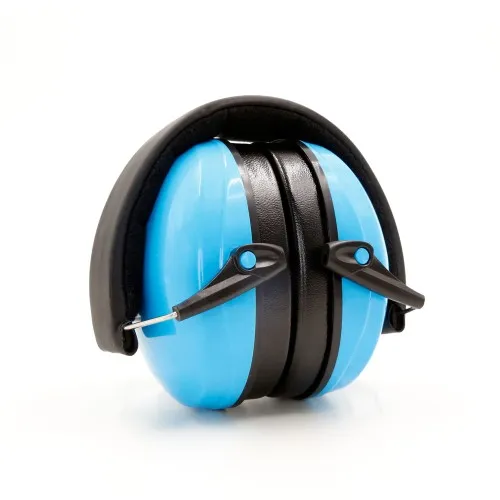
For steady all-shift areas — the pulping floor, the paper-machine deck, converting — our SA-7-1 Classical PU Foam Ear Plugs give reliable attenuation at a comfort level workers keep in across a long shift, and where humidity and repeated handling degrade disposables, washable SA-1-3 Waterproof Silicone Ear Plugs can be rinsed and reused. Around the loudest work — chippers, refiners, and steam-vent blowdowns — high-attenuation foam such as the SA-7-4 Bell-Shape Slow-Rebound Foam Ear Plugs, and near recovery-boiler vents dual protection with the SA-8-10 Adult-Size Earmuffs over a plug, give the margin the loudest tasks demand. For the very loudest sustained work, the highest attenuation available is the right starting point, driven by measurement rather than by how a floor "sounds."
Monitoring Work: Protection That Still Lets Operators Hear the Machine
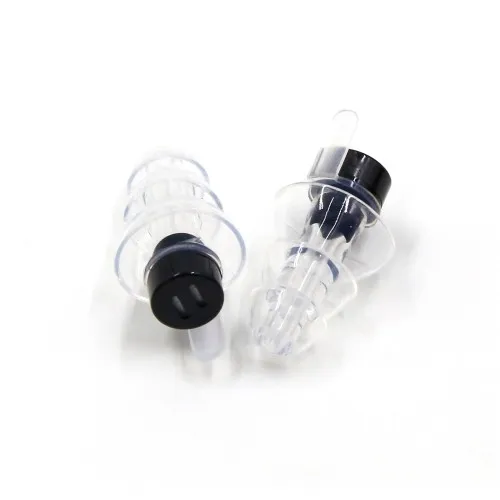
A defining feature of paper making is that experienced tenders and operators run the machine partly by ear — a change in the pitch of a drive, the hiss of a sheet break, an alarm on the control panel. Sealing the ear off with maximum-attenuation foam trades a noise hazard for a process and safety risk if it masks those cues. This is where flat-attenuation filtered plugs and level-dependent electronic muffs earn their place: they lower the overall level while preserving speech and machine sounds, so an operator stays protected without going deaf to the line. Filtered plugs such as our SA-2-7 Patented Acoustic-Mesh Filtered Ear Plugs keep the tone of the machine audible while cutting the level, and for continuous monitoring stations electronic level-dependent muffs like the SA-9-2 Electronic Active Noise Isolation Ear Muffs amplify quiet sounds and clamp the dangerous peaks.
The Mill Environment: Hot, Wet, and Chemically Aggressive
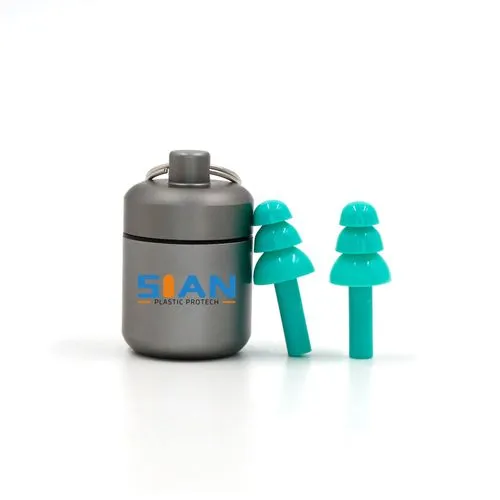
Pulp and paper is a wet-process industry. Steam off the dryers, humidity across the pulping and bleaching floors, and process chemicals in the air all shorten the useful life of disposable foam, which is designed to be rolled and inserted dry and which soaks up moisture and swells. For pulping-floor, bleaching, and machine-deck crews working full shifts in that air, washable reusable silicone plugs are usually the better economic and hygienic choice — rinsed between shifts, stored on a cord, and unaffected by damp. Triple-flanged and waterproof designs such as our SA-1-7 Triple-Flanged Waterproof Silicone Ear Plugs and the SA-1-3 Waterproof Silicone Ear Plugs hold up in humid, wet conditions and control consumable cost across a mill's continuous operation. Over-the-ear muffs remain useful for visitors, short high-noise tasks, and steam-vent work, but sustained heat and humidity under a muff cushion is uncomfortable, which is one more reason mills lean on in-ear plugs for the resident workforce.
Standards and Compliance in the Mill
In the United States, mill noise falls under the general occupational noise rule, 29 CFR 1910.95, which sets the 85 dB(A) action level that triggers a hearing conservation program, the 90 dB(A) permissible exposure limit on an 8-hour average, and a 5 dB exchange rate that matters on 12-hour mill shifts. In Europe, protection is measured to EN 352 under the Control of Noise at Work regulations, with an 80 dB(A) lower action value that catches even the mill's quieter finishing areas. For a B2B buyer the practical requirement is documentation: every product line — plugs and muffs alike — should carry test reports to EN 352 or the ANSI methods, so a mill's hearing conservation program can withstand an audit.
Authoritative exposure and control data for continuous occupational noise is published by OSHA's occupational noise exposure program. A supplier who can pass through consistent EN 352 / ANSI documentation across every plug and muff line simplifies both compliance and the mill's own recordkeeping.
A Sourcing Framework for Paper-Industry PPE Buyers
Selection should start with a clear problem definition — the steady level and duration in each area, whether the work is monitoring-critical, and how hot and wet the environment is — before anyone opens a brochure. The same task-matching logic is laid out for general worksites in the how to choose ear protection guide and the complete buyer guide, which walk procurement through selection step by step. For a mill specifically:
- Optimize for wear time, not just NRR: for full-shift continuous areas, pick comfortable plugs a workforce will keep in all day; reserve maximum attenuation and dual protection for chippers, refiners, and steam-vent work.
- Prioritize washable, reusable silicone for pulping, bleaching, and machine-deck crews to survive heat, steam, and humidity while controlling consumable cost across continuous operation.
- Protect the monitoring trades with filtered or level-dependent devices so tenders and operators keep the machine and its alarms audible while staying protected.
- Require certified test reports to EN 352 or ANSI for every line, and confirm fit training is in place — real-world attenuation in continuous noise depends on the device being worn correctly for the whole shift.
- Consolidate to one accountable supplier who ships plugs and muffs together with one set of documentation, and confirm lead times against the mill's continuous-run schedule, where a stock-out cannot wait for the next shutdown.
Frequently Asked Questions
How loud is a paper or pulp mill?
Noise is high and continuous across most of the plant. Wood-yard chippers and de-barking drums run 100 to 110 dB, refiners and grinders 95 to 105 dB, the paper machine 90 to 100 dB along its length, winders and rewinders 95 to 105 dB, and high-pressure steam and recovery-boiler vents can exceed 110 dB. Because mills typically run continuous 12-hour shifts, most production trades stay above the 85 dB(A) action level for the whole day, so the daily noise dose is high even where the peak level is moderate.
Why does all-day comfort matter more than maximum NRR in a mill?
Real-world protection in continuous noise equals the label attenuation multiplied by the fraction of the shift the device is actually worn. A maximum-NRR plug that a worker removes because it is uncomfortable in hot, humid air over a 12-hour shift protects less than a slightly lower-rated plug that stays in all day. In a mill the binding constraint is usually wear time, not the number on the packet, so comfort and fit drive the real result.
Should a mill use disposable foam or reusable silicone?
It depends on the area. Disposable foam gives high attenuation for dry, occasional high-noise tasks, but mills run hot and wet — steam, humidity, and process chemicals soak foam and degrade it before the shift ends. For pulping-floor, bleaching, and machine-deck crews on full shifts, washable reusable silicone plugs (especially waterproof and triple-flanged designs on a cord) are more hygienic and more economical across continuous operation.
How do operators stay protected but still hear the machine?
Experienced tenders run the machine partly by ear, so sealing the ear off with maximum-attenuation foam can mask the cues that signal a sheet break, a bearing problem, or an alarm. Flat-attenuation filtered plugs and level-dependent electronic muffs are the answer: they lower the overall level while preserving speech and machine sounds, so operators stay protected without losing awareness of the line.
What certifications should a paper-industry PPE buyer require?
Require test reports to EN 352 (Europe) or the ANSI S3.19 / S12.6 methods (United States) for every product line, not just the flagship SKU. These reports document attenuation and let a mill's hearing conservation program withstand an OSHA or Control of Noise at Work audit. A supplier who ships certified plugs and muffs together with consistent documentation simplifies both compliance and continuous-run procurement.
Sourcing hearing protection for a paper mill, pulp mill, or converting plant? Contact EASTRAGON with your area noise map, shift pattern, and target markets, and we match certified EN 352 and ANSI protection to each area with consolidated pricing across all-day foam plugs, waterproof silicone plugs, filtered plugs, and ear muffs. As a Solution Integrator serving importers in 50+ countries, we ship samples in 3-5 business days. Browse the full product catalog.