The highest NRR you can buy in a single hearing protector is about 33 for foam ear plugs and 31 for premium ear muffs. But that number is not the protection your workers actually receive. After OSHA's standard derating, a 33 NRR foam plug delivers roughly 13 dB of real-world reduction, and the only way to push effective attenuation past 36 dB is dual protection: ear plugs and ear muffs worn together. The National Institute for Occupational Safety and Health (NIOSH) reports that 22 million U.S. workers are exposed to hazardous noise each year, and selecting protection by package NRR alone is one of the most common procurement mistakes safety managers make.
This guide explains what the real NRR ceiling is, why laboratory ratings overstate field performance, how to calculate combined attenuation for dual protection, and which product types deliver the most effective reduction on high-noise factory floors. The goal is to help procurement teams source for the dB reading on the floor, not the marketing number on the box.
What Is the Highest NRR Actually Available?
The Noise Reduction Rating (NRR) is a single-number laboratory measurement, expressed in decibels, printed on every hearing protector sold in the United States under EPA labeling rules. Higher means more attenuation. Despite hundreds of products on the market, the practical ceiling is narrow:
| Protector Type | Typical NRR Range | Highest Available NRR | Why the Limit Exists |
|---|---|---|---|
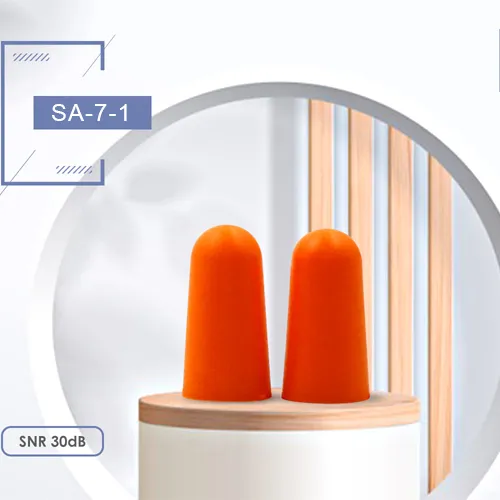
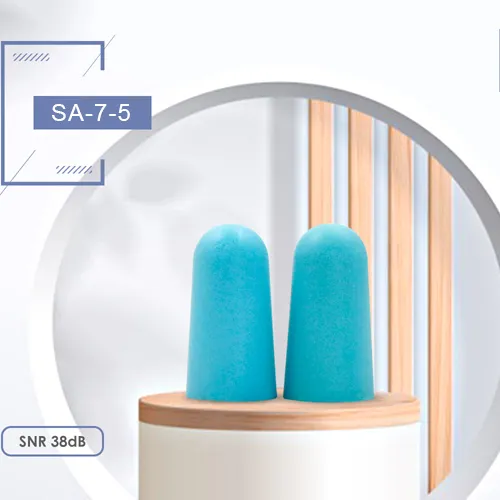
| Disposable foam ear plugs | NRR 29-33 | 33 | Foam fills the canal completely and seals against bone-conducted sound. NRR 33 is the highest single-number rating sold for any hearing protector |
| Reusable silicone / flanged plugs | NRR 25-27 | 27 | Pre-molded flanges cannot match the canal-filling seal of expandable foam, so attenuation is lower but fit is more consistent |
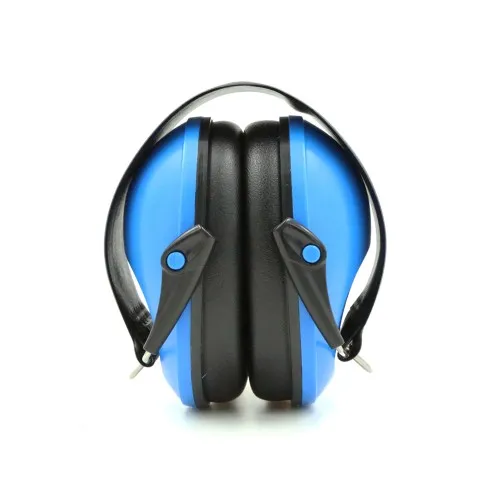
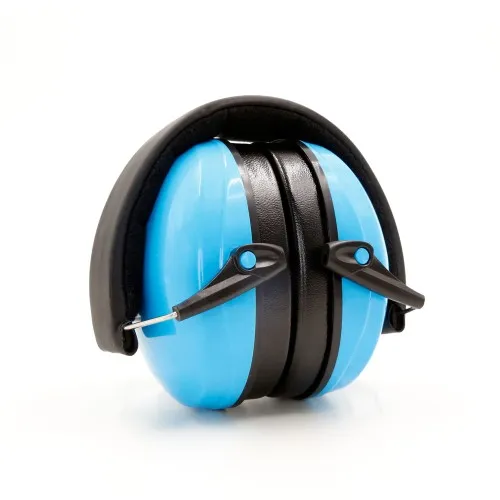
| Premium ear muffs | NRR 25-31 | 31 | Cup volume and seal force are limited by what a worker can wear comfortably for a full shift. Bone conduction sets a hard ceiling around 31 |
| Canal caps / banded plugs | NRR 20-26 | 26 | Caps seal at the canal entrance rather than inside it, so they trade attenuation for fast on-off convenience |
| Dual protection (plugs + muffs) | Combined | ~36 effective | Combining two protectors does not add their NRRs. Physics caps the combined benefit because sound transmits through the skull regardless of how well the ears are sealed |
The key fact: no single hearing protector exceeds NRR 33, and that number is dictated by bone conduction. Even with a perfect seal, sound reaches the inner ear by vibrating through the skull, which sets a physical limit no product can beat. Anyone advertising a single plug or muff above NRR 33 is misrepresenting the rating.
Why the Package NRR Overstates Real Protection
Laboratory NRR is measured on trained subjects with perfectly fitted protectors in a controlled chamber. Real workers, inserting plugs in a hurry on a noisy floor, achieve far less. To bridge that gap, OSHA recommends derating the NRR by 50% when estimating field performance for a hearing conservation program.
The OSHA derating formula for A-weighted noise measurements is straightforward:
Effective reduction = (NRR − 7) ÷ 2
Apply it to the highest-rated foam plug:
| Protector | Label NRR | OSHA-Derated Reduction | 120 dB Floor Becomes |
|---|---|---|---|
| Foam ear plugs (max) | 33 | (33 − 7) ÷ 2 = 13 dB | 107 dB |
| Premium ear muffs | 31 | (31 − 7) ÷ 2 = 12 dB | 108 dB |
| Silicone flanged plugs | 27 | (27 − 7) ÷ 2 = 10 dB | 110 dB |
| Canal caps | 24 | (24 − 7) ÷ 2 = 8.5 dB | 111.5 dB |
This is why a "33 NRR" product on a 120 dB floor leaves a worker at 107 dB, still well above the OSHA 90 dB permissible exposure limit. The number on the box and the protection on the floor are two different things. Safety managers who buy by headline NRR routinely under-protect workers in the highest-noise zones.
Dual Protection: The Only Way Past the Single-Device Ceiling
When a single protector cannot bring exposure below the action level, the solution is dual protection, wearing ear plugs and ear muffs at the same time. This is mandatory in many high-noise settings such as airport ramp work, shipyard chipping and riveting, and engine test cells.
The common mistake is to add the two NRRs together. A 33 NRR plug plus a 31 NRR muff does not equal 64. The recognized field method, used by NIOSH and most industrial hygienists, is:
Combined NRR = higher of the two NRRs + 5 dB
So a 33 NRR plug worn with any muff yields a combined NRR of about 38, which after OSHA derating gives roughly 15.5 dB of effective reduction. That extra 5 dB over the plug alone is the difference between compliance and a violation in a 130 dB engine test environment. Dual protection is the practical maximum available to any worker; there is no product or combination that meaningfully exceeds it.
Maximum-Protection Products Ranked
Ranked by effective real-world reduction after OSHA derating, here is how the options compare for a procurement team sourcing for the loudest zones:
| Rank | Solution | Effective Reduction | Best For | Trade-off |
|---|---|---|---|---|
| 1 | Dual protection (foam plug + muff) | ~15.5 dB | 130-140 dB: engine test, ramp, drop forge | Hottest, least comfortable; reserve for peak zones only |
| 2 | Foam ear plugs, NRR 33 | ~13 dB | 100-115 dB: stamping, grinding, textile | Single-use; correct roll-down-and-insert technique is essential |
| 3 | Premium ear muffs, NRR 31 | ~12 dB | 95-110 dB: intermittent tasks, frequent on-off | Bulky; seal degrades over eyewear and hair |
| 4 | Silicone flanged plugs, NRR 27 | ~10 dB | 90-100 dB: reusable daily wear, hygiene-sensitive lines | Lower attenuation than foam; needs cleaning |
| 5 | Canal caps, NRR 24 | ~8.5 dB | 85-95 dB: supervisors, intermittent entry, visitors | Lowest protection; convenience product, not for sustained high noise |
Notice that foam plugs out-protect every other single device, including premium muffs, because expandable foam achieves the deepest canal seal. Canal caps sit at the bottom precisely because they seal at the canal opening rather than inside it, which answers a question buyers ask constantly: canal caps do not provide more protection than properly inserted ear plugs. They exist for convenience, not maximum attenuation.
When You Actually Need Maximum NRR
Higher NRR is not automatically better. Over-protection isolates a worker from warning signals, alarms, and speech, which creates its own safety hazard. Match the protection to the measured exposure:
| 8-Hour TWA | Recommended Solution | Why |
|---|---|---|
| Below 90 dB | NRR 22-27 plug or muff | Single protector is sufficient; preserve communication ability |
| 90-100 dB | NRR 29-33 foam plug | Maximum single-device reduction needed to clear the PEL after derating |
| 100-115 dB | NRR 33 foam plug, verified fit | Top single-device protection; consider fit-testing to confirm the seal |
| Above 115 dB | Dual protection (plug + muff) | No single device derates low enough; combine to reach effective compliance |
For zones above 115 dB, dual protection is not optional. The most common error in heavy industry is issuing a single 33 NRR plug for a 125 dB drop-forge or test-cell position and assuming the headline rating covers it; after derating it does not. Confirm the floor reading first, then select the protector class that clears the limit.
Cost of Maximum Protection
Higher protection does not mean dramatically higher cost. A bulk foam plug at NRR 33 runs roughly $0.08-$0.15 per pair at volume, while a reusable NRR 31 muff costs $8-$20 and lasts one to three years. Dual protection for a single high-noise worker runs about $9-$22 in year one (one muff plus a year of foam plugs), then under $5 annually after that.
For a plant with 40 workers in zones above 100 dB, a full maximum-protection program costs $400-$900 per year. A single noise-induced hearing loss claim in the United States averages $30,000-$50,000 including medical care, lost time, and indemnity. The economics favor correct protection by a wide margin: one prevented claim funds the entire program for decades.
Frequently Asked Questions
What is the highest NRR ear plug available?
The highest NRR for any single hearing protector is 33, achieved only by expandable disposable foam ear plugs. This ceiling is set by bone conduction: even a perfect canal seal cannot block sound that vibrates through the skull to the inner ear. Any product advertised above NRR 33 is misrepresenting its rating. After OSHA's 50% derating, an NRR 33 plug delivers about 13 dB of real-world reduction, which is why exposures above 115 dB require dual protection rather than a single high-NRR plug.
Do canal caps provide more protection than earplugs?
No. Canal caps (banded plugs) seal at the entrance of the ear canal rather than inside it, so they provide less attenuation than properly inserted foam or silicone ear plugs. Typical canal caps rate NRR 20-26 versus NRR 29-33 for foam plugs. Canal caps are a convenience product designed for workers who enter and leave noisy areas frequently, supervisors, inspectors, and visitors, where fast on-off matters more than maximum protection. For sustained high-noise exposure, foam plugs or dual protection deliver substantially more real reduction.
Can you wear earplugs and earmuffs together for more protection?
Yes, and it is the only way to exceed single-device limits. Combining ear plugs and ear muffs is called dual protection. The combined NRR is not the sum of the two ratings; the recognized field formula is the higher of the two NRRs plus 5 dB. A 33 NRR plug with any muff yields a combined NRR of about 38, roughly 15.5 dB effective after OSHA derating. Dual protection is mandatory in zones above 115 dB such as engine test cells, drop forges, and airport ramps.
Why is real protection so much lower than the NRR on the package?
Package NRR is a laboratory value measured on trained subjects with ideal fit in a controlled chamber. Real workers achieve far less under field conditions, rushed insertion, imperfect seals, eyewear breaking the muff cushion. OSHA therefore recommends derating the NRR by 50% using the formula (NRR − 7) ÷ 2 to estimate field performance. A 33 NRR plug rated in the lab delivers roughly 13 dB on the floor. Procurement teams should always plan around the derated number, not the headline rating.
What NRR do I need for a 120 dB factory floor?
A 120 dB sustained exposure exceeds what any single hearing protector can bring below the OSHA 90 dB limit after derating. An NRR 33 foam plug derates to 13 dB, leaving the worker at 107 dB, still over the limit. You need dual protection (NRR 33 plug plus an NRR 25-31 muff), which provides about 15.5 dB effective reduction and brings 120 dB to roughly 104.5 dB, combined with administrative controls such as shift rotation and time-limited exposure to bring the 8-hour TWA under 90 dB.
Need maximum-NRR hearing protection sourced for high-noise zones? Contact EASTRAGON for bulk pricing on NRR 33 foam ear plugs, NRR 31 ear muffs, and dual-protection kits with CE EN 352 and ANSI dual certification. We supply factories, foundries, and test facilities across 50+ countries. Samples ship within 3-5 business days. Browse our full product catalog.