Shipbuilding is one of the harshest noise environments in heavy industry, and its defining hazard is not steady machine hum but impulse noise: pneumatic chipping and scaling hammers run 115 to 130 dB, needle scalers and de-scaling guns 115 to 125 dB, riveting and hammering on plate spike to 130+ dB, air-arc gouging 100 to 115 dB, and abrasive blasting 105 to 120 dB — all inside enclosed steel compartments that reflect and amplify sound rather than absorb it. What makes a shipyard different from a factory is the combination: impulse peaks that a single NRR number under-predicts, confined tanks and double-bottoms where a worker still has to hear an alarm or a colleague, constant salt spray and humidity that punish disposable foam, and welding helmets and respirators competing for the same head. The right program for a yard is therefore not simply the highest NRR but protection matched to impulse noise, confined-space communication, and a wet, corrosive environment. This guide breaks shipyard noise down by task and gives marine PPE buyers a sourcing framework built for shipbuilding.
Why Shipyard Noise Is a Different Problem
Most industrial hearing guides assume steady-state noise at a fixed workstation — a press line or a compressor running at a constant level all shift. A shipyard breaks that assumption in three ways. First, the dominant sources are impulsive: a needle scaler or chipping hammer delivers hundreds of sharp pressure peaks per minute, and impulse noise damages hearing at lower average levels than continuous noise while being harder to rate with a single number. Second, much of the work happens inside the hull — ballast tanks, double-bottoms, cofferdams, and engine spaces — where bare steel walls reflect almost all the sound energy back, so the effective exposure in a compartment is higher than the same tool would produce in the open. Third, the marine environment is wet and corrosive: salt spray, water blasting, and high humidity soak disposable foam, which then absorbs grit and loses attenuation, while shared confined spaces raise the hygiene stakes of inserting a plug with dirty hands.
These conditions change the buying logic. In a dry, open factory, a high-NRR disposable foam plug is often the cheapest good answer. In a yard, the same plug may be the wrong answer for a tank crew who need washable, reusable protection they can rinse and reuse, or for a fitter who must hear a crane signal or a gas alarm. This is exactly the kind of real-world exposure a workplace noise survey is designed to capture — mapping not just the peak level but the impulse character, the enclosure, and the communication need before hearing loss becomes permanent. Because impulse and reverberant noise behave differently from steady machine noise, it helps to understand the underlying noise patterns before choosing a device.
Mapping Noise by Shipyard Task
A shipyard is not uniformly loud, and buying one product for every trade overspends in the fabrication shop while underprotecting the tank crews. A practical map looks like this:
| Task / Area | Typical Noise | Noise Character | Protection Priority |
|---|---|---|---|
| Chipping & scaling hammers | 115-130 dB | Impulse, enclosed | Maximum attenuation, often dual |
| Needle scalers / de-scaling guns | 115-125 dB | Impulse | High-NRR plugs, washable |
| Riveting & plate hammering | 110-130+ dB | Sharp impulse | Dual protection |
| Abrasive / grit blasting | 105-120 dB | Continuous + impact | Muffs under blast hood |
| Air-arc gouging | 100-115 dB | Continuous | High-NRR plugs |
| Grinding on steel plate | 95-110 dB | Continuous, reverberant | Plugs or muffs |
| Plasma / oxy cutting | 90-105 dB | Continuous | Plugs, helmet-compatible |
| Confined tank / double-bottom work | 95-115 dB | Reverberant, alarm-critical | Filtered or level-dependent |
| General fabrication shop | 85-100 dB | Mixed | Comfortable all-day plugs/muffs |
The pattern that jumps out is impulse. The loudest tasks — chipping, scaling, needle-gunning, riveting — are all short, sharp, repeated impacts, and they are frequently done inside a resonant steel box. That combination is why shipyards feature so heavily in occupational hearing-loss statistics, and why "just buy the highest number on the packet" is a weaker strategy here than it looks.
Impulse Noise: Why a Single NRR Number Under-Predicts Shipyard Risk
The Noise Reduction Rating (NRR) and the European SNR are measured against steady, broadband noise. Shipyard impact tools produce brief, high-energy peaks that behave differently: they can exceed the peak-pressure limits in the regulations even when the time-weighted average looks manageable, and real-world attenuation from a rushed or poorly fitted plug is often 50% or less of the label. For a chipping or riveting crew, the practical answer is usually the highest attenuation available, and in the very loudest impulse work, dual protection — a high-NRR plug worn under an over-the-ear muff — to leave a margin for fit error. Understanding how NRR and SNR are derived helps a buyer read those numbers honestly instead of over-trusting them.
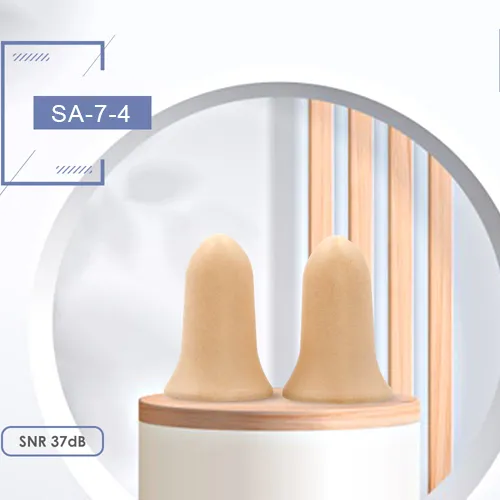
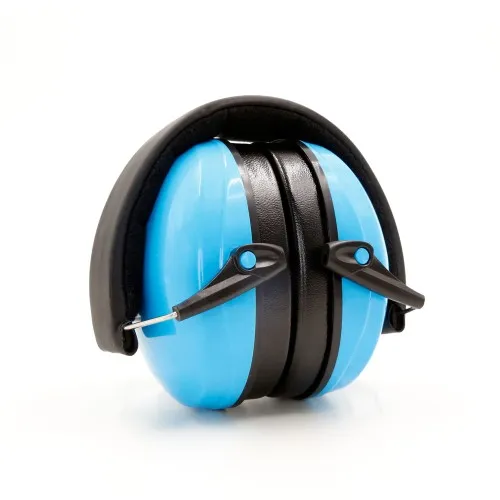
Our SA-7-4 Bell Shape Slow-Rebound Foam Ear Plugs deliver very high attenuation for impact-heavy trades, and the classic SA-7-1 PU Foam Ear Plugs pair well under an over-the-ear muff for dual protection. For the loudest riveting and scaling stations, combining those plugs with the SA-8-10 Adult-Size Earmuffs gives the safety margin that a single device cannot. Dual protection should still be driven by measurement, not by the impression that a bay "sounds loud."
Confined Spaces: Protection That Still Lets Workers Hear
A large share of shipbuilding and ship-repair labor happens inside enclosed spaces — ballast and cargo tanks, double-bottoms, engine rooms, cofferdams. These are simultaneously high-noise and safety-critical for hearing: a worker inside a tank must be able to hear a gas alarm, an evacuation signal, or a shouted instruction from a hole-watch. Sealing the ear off with maximum-attenuation foam can trade a noise hazard for a far worse confined-space hazard if it masks an alarm.
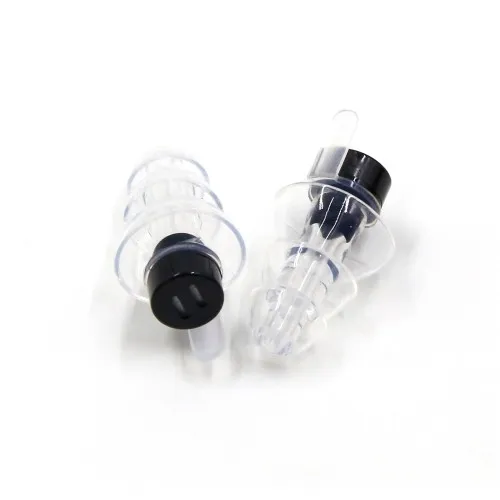
This is where flat-attenuation filtered plugs and level-dependent electronic muffs earn their place. Filtered plugs such as our SA-2-7 Patented Acoustic-Mesh Filtered Ear Plugs lower the overall level while preserving speech and warning cues, so a fitter stays protected without going deaf to the space around them. For continuous confined-space work where communication is constant, electronic level-dependent muffs like the SA-9-2 Electronic Active Noise Isolation Ear Muffs amplify quiet sounds and clamp down on the dangerous peaks. This is the same situational-awareness logic that governs defense and law-enforcement hearing programs, applied to the tank instead of the range.
The Marine Environment: Wet, Salty, and Hard on Consumables
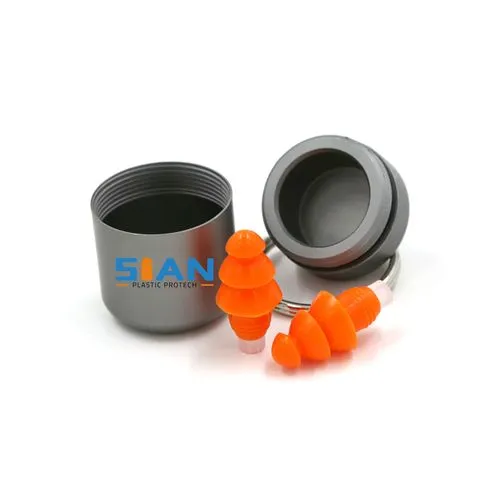
Shipyards run wet. Water blasting, rain-exposed berths, ballast water, salt spray, and high humidity all degrade disposable foam, which is designed to be rolled and inserted dry and which soaks up moisture and grit. For tank crews, blasters, and outfitting trades who work in and out of wet conditions all day, washable reusable silicone plugs are usually the better economic and hygienic choice. Triple-flanged designs such as our SA-1-7 Triple-Flanged Waterproof Silicone Ear Plugs and the SA-1-3 Waterproof Silicone Ear Plugs can be rinsed, reused across a shift, and stored on a cord, which both improves hygiene in shared confined spaces and controls consumable cost over a long refit.
Compatibility is the other marine-specific constraint. Yard workers routinely stack a hard hat, welding helmet or blast hood, safety glasses, and a respirator on the same head, and over-the-ear muffs can lose their seal against a helmet strap or hood in a tight compartment. In-ear plugs generally coexist better with this stack, which is one more reason the yard leans on plugs for the trades and reserves muffs for quick-on tasks, visitors, and blasting under a hood. The general trade-offs are covered in our guide to welding and metal fabrication, which shares much of the shipyard's equipment stack.
Standards and Compliance in the Yard
In the United States, shipyard employment has its own maritime standard, 29 CFR 1915, layered on top of the general occupational noise rule (29 CFR 1910.95) that sets the 85 dB(A) action level, the 90 dB(A) permissible exposure limit, and the peak-pressure ceiling that impulse tools threaten. In Europe, protection is measured to EN 352, and finished vessels are separately governed by the maritime noise-on-board codes — but the shipbuilding and repair work itself is yard PPE. For a B2B buyer, the practical requirement is documentation: every product line should carry test reports to EN 352 or the ANSI methods, not just the flagship SKU, so a yard's hearing conservation program can withstand an audit.
Authoritative exposure and control data for occupational noise, including impulse and shipyard hazards, is published by OSHA's occupational noise exposure program. A buyer who can pass through consistent EN 352 / ANSI documentation across plugs and muffs simplifies both compliance and the yard's own recordkeeping.
A Sourcing Framework for Marine PPE Buyers
Selection should start with a clear problem definition — what noise each trade faces, whether it is impulsive or continuous, whether the work is enclosed, and whether communication is safety-critical — before anyone opens a brochure. The same task-matching logic is laid out for general worksites in the how to choose ear protection guide and the complete buyer guide, which walk procurement through selection step by step. For a shipyard specifically:
- Match by task, not by yard: maximum-attenuation or dual protection for chipping, scaling, needle-gunning, and riveting; filtered or level-dependent protection for confined-space and alarm-critical work; quick-on muffs for blasting under a hood and for visitors and inspectors.
- Prioritize washable, reusable silicone for wet trades to survive salt, water blasting, and humidity while controlling consumable cost across a long refit.
- Respect the PPE stack: favor in-ear plugs where hard hats, welding helmets, blast hoods, and respirators would break a muff seal in a tight compartment.
- Require certified test reports to EN 352 or ANSI for every line, and confirm fit training is in place — real-world attenuation depends on fit, and a rushed insertion in a hurry-up refit is where protection quietly fails.
- Consolidate to one accountable supplier who ships plugs and muffs together with one set of documentation, and confirm lead times before a scheduled dry-dock or refit window, when demand spikes and stock-outs stall the schedule.
Frequently Asked Questions
How loud is shipyard work?
Noise varies sharply by trade. Pneumatic chipping and scaling hammers run 115 to 130 dB, needle scalers 115 to 125 dB, riveting and plate hammering spike past 130 dB, abrasive blasting 105 to 120 dB, air-arc gouging 100 to 115 dB, and grinding on steel 95 to 110 dB — and much of it happens inside enclosed steel compartments that reflect sound and raise the effective level. Almost every production trade exceeds the 85 dB(A) action level, and the loudest tasks are impulsive rather than steady, which is more damaging than the average number suggests.
Why is impulse noise more dangerous than a single NRR number implies?
NRR and SNR are rated against steady, broadband noise, but chipping hammers, needle guns, and riveting produce brief, high-energy pressure peaks. Those peaks can breach the regulatory peak-pressure ceiling even when the time-weighted average looks acceptable, and real-world attenuation from a poorly fitted plug is often half the label. For impact trades the practical answer is the highest attenuation available and, in the loudest work, dual protection — a high-NRR plug under an over-the-ear muff — to leave a margin for fit error.
What hearing protection works for confined-space tank work?
Confined spaces are both high-noise and alarm-critical: a worker inside a tank must still hear a gas alarm, an evacuation signal, or a hole-watch shouting. Maximum-attenuation foam that seals the ear off can mask those cues. Flat-attenuation filtered plugs or level-dependent electronic muffs are usually the better choice — they lower the overall level while preserving speech and warning sounds, so the worker stays protected without losing situational awareness.
Should shipyards use disposable foam or reusable silicone?
It depends on the trade and the environment. Disposable foam gives the highest attenuation for dry impact work, but shipyards run wet — salt spray, water blasting, humidity — and foam soaks up moisture and grit and loses performance. For tank crews, blasters, and outfitting trades in wet conditions, washable reusable silicone plugs (especially triple-flanged designs on a cord) are more hygienic in shared confined spaces and more economical over a long refit.
What certifications should a marine PPE buyer require?
Require test reports to EN 352 (Europe) or the ANSI S3.19 / S12.6 methods (United States) for every product line, not just the headline SKU. These reports document attenuation and let a shipyard hearing conservation program withstand an OSHA 1915 or equivalent audit. A supplier who ships certified plugs and muffs together with consistent documentation simplifies both compliance and dry-dock procurement.
Sourcing hearing protection for a shipyard, ship-repair yard, or marine PPE distribution network? Contact EASTRAGON with your task noise map, refit volumes, and target markets, and we match certified EN 352 and ANSI protection to each trade with consolidated pricing across high-NRR foam plugs, waterproof silicone plugs, filtered plugs, and ear muffs. As a Solution Integrator serving importers in 50+ countries, we ship samples in 3-5 business days. Browse the full product catalog.