Woodworking is one of the loudest manufacturing trades. A thickness planer routinely produces 100-108 dB, a router table sustains 95-105 dB, and a table saw under load runs 93-100 dB. Add a dust collection system -- which every production shop requires -- and you add another 5-10 dB of continuous broadband noise across the entire facility. Unlike many industrial settings where noise is localized, woodworking shops layer multiple machines running simultaneously in open floor plans, pushing 8-hour TWA exposures well above the 85 dB action level that triggers OSHA's hearing conservation requirements.
This guide breaks down noise by machine type, addresses the unique dual-hazard interaction between wood dust and hearing protection, and provides a selection matrix matched to real shop conditions. Whether you run a cabinet shop with five employees or a millwork operation with fifty, the data below lets you spec the right protection for each station.
Noise Levels by Woodworking Machine
The table below draws on measured data from industrial hygiene surveys and equipment manufacturer specifications. All figures represent operator-position readings in dBA slow response, which is the measurement method OSHA uses for enforcement.
| Machine | Typical dB Range | Peak Conditions | Noise Character |
|---|---|---|---|
| Thickness Planer (13-20") | 100-108 dB | Hardwood feed, full-width cut | Aggressive broadband with high-frequency cutter head whine. Loudest common shop machine |
| Router Table / CNC Router | 95-105 dB | Small-diameter bits at high RPM, hardwood | High-pitched screaming from bit engagement. CNC routers sustain this for extended cycles |
| Table Saw | 93-100 dB | Ripping hardwood, dado stack | Blade whine plus workpiece vibration. Thin-kerf blades and hardwood amplify noise |
| Jointer (6-12") | 85-95 dB | Deep cuts in figured hardwood | Cutter head engagement similar to planer but less intense due to narrower cuts |
| Band Saw (14-36") | 80-90 dB | Resawing thick hardwood stock | Lower frequency than circular blades. Blade guide vibration adds tonal noise |
| Miter Saw / Chop Saw | 100-108 dB | Cross-cutting, especially metals or composites | Brief but intense impulse noise at each cut. Repeated cuts accumulate dose quickly |
| Drum / Wide Belt Sander | 85-95 dB | Coarse grit, heavy stock removal | Continuous broadband. Higher with coarser grits and harder species |
| Dust Collection System | 82-95 dB | Cyclone separator + main duct runs | Constant low-to-mid frequency drone across the entire shop floor. Always on during production |
| Pneumatic Nailers / Staplers | 95-110 dB peak | Brad nailers to framing nailers | Sharp impulse noise. Rapid repetition in assembly lines increases dose |
| Shop Vacuum / Portable Dust Extractor | 85-100 dB | High-suction models at operator position | Continuous. Some models exceed the main dust collector in operator-position noise |
The critical detail most noise surveys miss: woodworking shops rarely run one machine at a time. A production cabinet shop might have a table saw, a CNC router, a wide belt sander, and dust collection all running simultaneously. The combined ambient noise floor in such a shop typically sits at 88-95 dB before the operator's own machine adds its contribution. NIOSH measurements of furniture manufacturing facilities have documented 8-hour TWA exposures of 89-97 dB for production workers -- numbers that put hearing damage risk in the same category as construction sites.
The Wood Dust and Hearing Protection Interaction
Woodworking presents a dual-hazard problem that most other industries do not. OSHA's permissible exposure limit for wood dust is 5 mg/m3 for softwoods and 1 mg/m3 for hardwoods (which are classified as potential carcinogens by IARC). Workers wear hearing protection and respiratory protection simultaneously, and these two PPE categories interact in ways that affect both comfort and seal quality.
Foam Ear Plugs and Dust Contamination
Wood dust sticks to PU foam ear plugs within minutes of insertion. Sawdust particles embed in the foam surface, creating two problems. First, the dust degrades the acoustic seal over time as particles prevent the foam from fully expanding against the ear canal wall. Second, contaminated plugs pushed deeper during reinsertion can introduce fine particles toward the tympanic membrane. The practical response: disposable foam plugs in woodworking shops must be single-use, replaced every time they are removed. Reusing foam plugs in a dusty environment reduces effective NRR and introduces contamination risk.
Earmuffs and Respirator Strap Interference
When workers wear half-face respirators for dust protection, the respirator headstraps cross behind the head in the same area as earmuff headbands. This creates pressure points and can lift the earmuff cushion away from the skull, breaking the acoustic seal. The result is reduced attenuation that is invisible to the worker. Where dual PPE is required, choose earmuffs with deeper cushions that accommodate strap interference, or use in-ear plugs combined with a respirator to avoid the conflict entirely.
Sweat and Humidity
Woodworking is physical work. In shops without air conditioning -- which describes most cabinet and millwork operations -- heat buildup under earmuff cushions creates sweat that degrades both comfort and seal quality within 60-90 minutes. Workers remove sweaty earmuffs for relief, creating unprotected exposure windows. Foam plugs tolerate heat better than muffs but absorb sweat, which again argues for frequent replacement. Corded plugs hung around the neck between tasks reduce the number of fresh pairs needed while keeping protection accessible.
Hearing Protection Selection Matrix for Woodworking
The matrix below uses OSHA's derating formula from our SNR and NRR ratings guide: effective attenuation = (NRR - 7) / 2. The target is to reduce exposure below 85 dB at the ear.
| Station / Task | Noise Level | Required Attenuation | Recommended Protection | Notes |
|---|---|---|---|---|
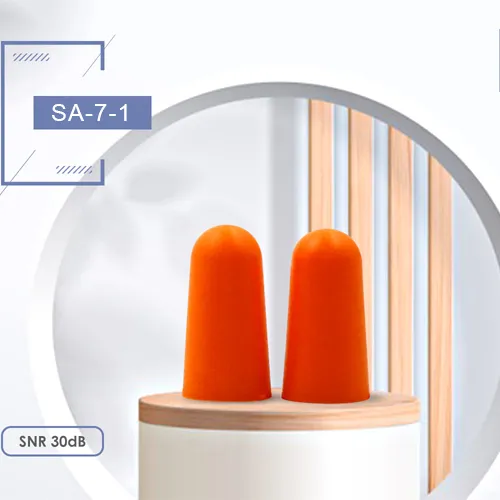
| Planer Operation | 100-108 dB | 15-23 dB effective | SA-7-1 PU Foam Plugs (NRR 33, effective 13 dB) + SA-8-5 Earmuffs for dual protection above 105 dB | Dual protection recommended when planer exceeds 100 dB. Single NRR 33 plugs sufficient for 100-105 dB range |
| Router / CNC Router | 95-105 dB | 10-20 dB effective | SA-7-1 PU Foam Plugs (NRR 33) or SA-8-5 Earmuffs (NRR 25+) | High-frequency content makes foam plugs effective. Earmuffs better for CNC operators who move in and out of the noise zone |
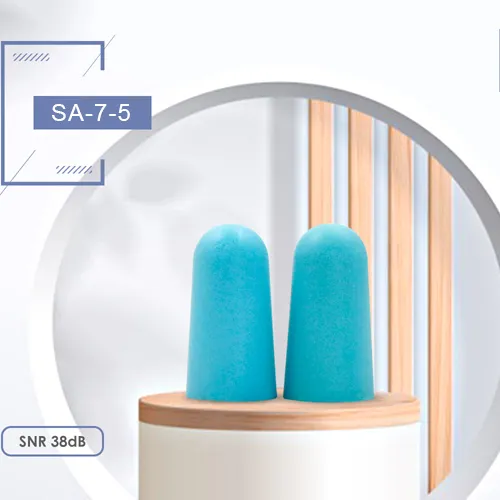
| Table Saw | 93-100 dB | 8-15 dB effective | SA-7-5 Foam Plugs (NRR 29) or earmuffs NRR 25 | Intermittent cuts allow muff removal between tasks. Plugs better for continuous ripping operations |
| Jointer | 85-95 dB | 0-10 dB effective | Foam plugs NRR 25-29 or SA-2-1 Filtered Plugs for lower-noise jointers | Filtered plugs preserve speech if working with a partner at the outfeed end |
| Assembly / Nailing | 95-110 dB peak | 10-25 dB effective | Foam plugs NRR 29-33. Earmuffs for intermittent nailer use | Impulse noise from nailers is deceptive -- workers underestimate exposure because each burst is brief |
| Sanding (Machine) | 85-95 dB | 0-10 dB effective | Foam plugs NRR 25 or filtered plugs | Sanding stations often near dust collection intake -- factor in dust collector noise |
| General Shop Floor | 88-95 dB ambient | 3-10 dB effective | SA-2-1 Filtered Plugs or foam plugs NRR 25 | For workers not operating machines but present on floor (supervisors, material handlers, finishers) |
Why Woodworkers Resist Hearing Protection (and What to Do About It)
Compliance in woodworking shops is notoriously lower than in heavy industry. A 2023 survey by the British Woodworking Federation found that noise protection compliance in small woodworking firms ran about 40-60% compared to 80-90% in large manufacturing plants. Three factors drive this gap.
Machine Sound as a Diagnostic Tool
Experienced woodworkers listen to their machines. The pitch of a table saw blade tells them about feed rate, blade sharpness, and whether the stock is binding. A planer's sound changes when snipe occurs or when a board has a hidden knot. Workers resist hearing protection because they believe it removes a safety and quality signal. The counterargument: at 100+ dB, the diagnostic information is still audible through NRR 25-29 protection. The machine sound is attenuated, not eliminated. Filtered ear plugs with flat attenuation curves preserve tonal relationships better than foam, making them the right choice for operators who rely on sound feedback.
Short Task Duration Illusion
A table saw cut takes 10 seconds. A planer pass takes 30 seconds. Workers assume brief exposure is safe. But OSHA's noise dose is cumulative across the entire shift. A cabinet maker who runs 200 table saw cuts, 50 planer passes, and 100 nailer shots across an 8-hour day accumulates an exposure that routinely exceeds 90 dB TWA -- above the permissible exposure limit. The noise exposure limits page explains how OSHA's 5 dB exchange rate calculates cumulative dose from intermittent exposures.
Comfort in Physical Work
Workers doing physical labor in warm shops will remove uncomfortable PPE. Earmuff cushions trap heat. Foam plugs feel intrusive. The fix is offering choices: foam plugs for planer and router operators (highest protection needed), filtered plugs for assembly workers (comfort plus speech clarity), and muffs with gel cushions for CNC operators who can hang them around their neck during programming cycles.
Setting Up a Woodworking Hearing Conservation Program
OSHA requires a formal hearing conservation program when any worker's TWA exceeds 85 dB. In a production woodworking shop, this means every production worker. The OSHA hearing conservation program guide covers the full requirements. Here are the woodworking-specific adjustments.
Noise Monitoring by Station
Dosimetry is more useful than area monitoring in woodworking because workers move between machines. A cabinet maker might spend 20 minutes at the table saw, 15 minutes at the planer, 30 minutes at the router table, and the rest of the shift at assembly -- each station with different noise levels. Personal noise dosimeters worn for full shifts give accurate TWA readings. Map results to stations so new hires can be assigned appropriate protection from day one.
Protection Assignment Protocol
Based on station mapping, assign protection tiers:
- Tier 1 (above 100 dB TWA): Planer operators, router operators on extended runs -- NRR 33 foam plugs mandatory, dual protection available
- Tier 2 (90-100 dB TWA): Table saw operators, assembly nailers, CNC operators -- NRR 25-33 foam plugs or earmuffs
- Tier 3 (85-90 dB TWA): General shop floor, sanding, finishing -- NRR 15-25 filtered or foam plugs
Stock at least two types of hearing protection at each tier. OSHA requires employers to offer a choice, and workers who can select their preferred type show higher compliance rates.
Replacement Schedule
Wood dust contamination accelerates the replacement cycle compared to cleaner industries. Disposable foam plugs: one fresh pair per half-shift minimum (replace at lunch break). Reusable filtered plugs: clean daily, inspect weekly, replace monthly or when filter resistance changes. Earmuff cushions: inspect weekly for sawdust embedding in cushion foam, replace cushions every 6 months in heavy-dust environments.
Regulatory Standards Specific to Woodworking
Beyond the general noise exposure standards, woodworking operations face additional regulatory attention.
| Standard | Jurisdiction | Relevance to Hearing Protection |
|---|---|---|
| OSHA 29 CFR 1910.95 | United States | Hearing conservation program required at 85 dB TWA. Hearing protection mandatory at 90 dB PEL |
| OSHA 29 CFR 1910.1000 | United States | Wood dust PEL (affects combined PPE selection for dust + noise) |
| EU Directive 2003/10/EC | European Union | Lower action level at 80 dB, upper action level at 85 dB with mandatory protection |
| EN 352-1/2 | European Union | Performance standards for earmuffs (352-1) and ear plugs (352-2). CE marking required. Details in our EN 352 guide |
| AS/NZS 1269 | Australia / New Zealand | Occupational noise management. Requires noise risk assessment for woodworking machinery |
| OSHA Woodworking eTool | United States | Specific guidance on noise controls for saws, planers, and routers alongside machine guarding requirements |
EU buyers should note that the EU's lower action value of 80 dB means hearing protection must be made available at a level where many US shops would not yet require a formal program. For ANSI vs CE certification, the practical attenuation ratings differ slightly between the NRR (ANSI) and SNR (EN) systems.
Procurement for Woodworking Operations
Woodworking shops consume hearing protection at higher rates than many industries because of the dust contamination factor. Budget accordingly.
- Disposable foam plugs: Plan 2-4 pairs per worker per day (2 per shift minimum due to dust). A 20-person shop uses 800-1,600 pairs per month. EASTRAGON supplies SA-7-1 PU Foam Plugs and SA-7-5 Foam Plugs from MOQ 5,000 pairs per SKU
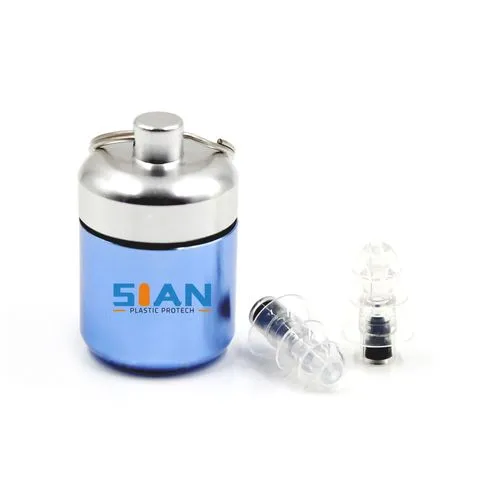
- Filtered ear plugs: For shop-floor workers at Tier 3 exposure. Higher upfront cost, but reusable for a month with daily cleaning. MOQ 5,000 pairs. The SA-2-1 Filtered Plugs preserve speech clarity for team communication
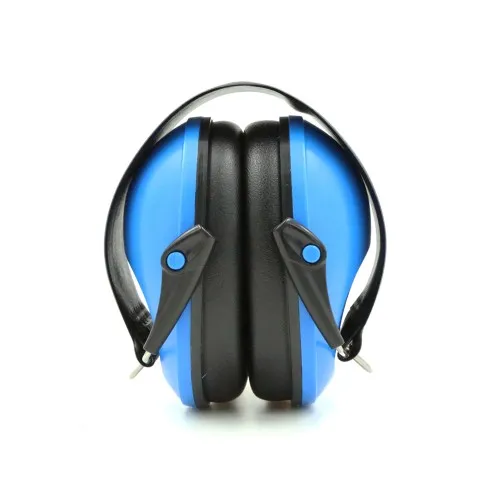
- Earmuffs: For CNC operators and workers who move between stations. Higher durability than plugs in dusty environments. SA-8-5 Foldable Earmuffs fold compact for storage when workers transition to low-noise tasks. Replace cushion pads every 6 months
- Documentation: CE EN 352 certificate, ANSI S3.19 test report, and NRR/SNR ratings provided with all shipments. OEM and private label programs available for distributors serving the woodworking channel
Lead times: Standard catalog SKUs ship in 15-20 working days. Samples dispatch within 3-5 working days for shop floor testing.
Frequently Asked Questions
What is the loudest machine in a woodworking shop?
Thickness planers and miter saws are typically the loudest, both reaching 100-108 dB at operator position. Planers are more hazardous in practice because they run for longer continuous periods. A miter saw produces brief impulse noise, but a production planer can sustain 105+ dB for minutes at a time during hardwood dimensioning runs.
Do I need dual hearing protection for woodworking?
When exposure exceeds 100 dB -- common during planer operation, heavy routing, or extended miter saw use -- dual protection (foam plugs under earmuffs) provides the additional attenuation needed to bring the level below 85 dB at the ear. OSHA does not mandate a specific threshold for dual protection, but the practical calculation is straightforward: if NRR 33 foam plugs give you (33-7)/2 = 13 dB effective reduction and your exposure is 105 dB, you reach 92 dB at the ear. That still exceeds 85 dB. Adding earmuffs provides an additional 5-10 dB effective reduction. Our construction site guide details the dual protection calculation.
Can I use the same ear plugs for both dust and noise protection?
Ear plugs protect against noise, not wood dust. Dust protection requires respiratory PPE -- a half-face respirator or dust mask. The two work together but serve different hazards. The interaction to manage is comfort and seal: make sure respirator straps do not break the earmuff seal if you wear muffs, and make sure dust-contaminated foam plugs are replaced frequently rather than reinserted.
How often should foam ear plugs be replaced in a dusty woodworking shop?
Replace disposable foam plugs every time they are removed from the ear canal. In a woodworking environment, this means at minimum twice per shift -- once at the lunch break and once at shift end. Wood dust embeds in the foam surface and degrades the acoustic seal. Reusing dust-contaminated plugs reduces effective NRR by an unmeasured amount, and OSHA requires that hearing protection maintain its labeled attenuation in the actual work environment.
Are filtered ear plugs good enough for woodworking?
Filtered (flat-attenuation) ear plugs work well for shop-floor workers at Tier 3 exposure (85-90 dB TWA) -- supervisors, material handlers, finishers, and workers at sanding stations. They preserve speech clarity and machine sound character. They are not sufficient for planer or router operators whose TWA exceeds 95 dB, where NRR 29-33 foam plugs or earmuffs are needed. Match the plug to the station, not the job title.
Running a woodworking operation and need to set up hearing protection by station? Send EASTRAGON your shop layout and machine list -- we will map protection tiers to your stations, recommend specific products for each, and ship free samples for shop floor testing. Samples ship within 3-5 days, MOQ from 5,000 pairs.